Where to Invest in Paris Real Estate in 2026: Best Neighborhoods for High Rental Yield
Paris has long been one of the most attractive real estate markets in the world. For years, investors have seen it as a safe, long-term asset.
But that’s starting to change in 2026.
With rent control policies in place, tighter restrictions on short-term rentals like Airbnb, new energy regulations (DPE), rising taxes on second homes, and a shifting global economic and political landscape, many investors are starting to question whether Paris is still a smart place to invest — and if so, how to approach it today.
At the same time, there’s another side to the story.
Compared to major U.S. cities, certain Paris neighborhoods actually offer significantly more attractive gross rental yields, lower entry prices, and something that’s increasingly rare globally: no restrictions on foreign buyers purchasing investment property.
So the opportunity is still there — but it’s no longer as simple as just buying in Paris and waiting.
Success now comes down to making the right calls: choosing the right neighborhood to invest in, buying the right type of property, and being smart about renovation and tax strategy.
In this guide, we’ll walk you through how to invest in Paris real estate today, with a clear focus on maximizing rental yield (rendement locatif) while still protecting long-term value.
Best Areas to Invest in Paris for High Rental Yield
When people think of Paris, they often imagine Saint-Germain-des-Prés or the Marais. While these areas are beautiful, they are not where you’ll find the best returns.
In reality, rental yield in Paris varies dramatically depending on the arrondissement.
High-Yield Neighborhoods in Paris: 18th, 19th, and 20th Arrondissements
If your priority is maximizing cash flow, the northeast of Paris — particularly the 18th, 19th, and 20th arrondissements — offers some of the strongest opportunities today.
Neighborhoods with the best rental yields include:
- Belleville (20th)
- Ménilmontant (20th)
- Père-Lachaise (20th)
- Charonne (20th)
- Saint-Fargeau (20th)
- Buttes-Chaumont (19th)
- Amérique / La Mouzaïa (19th)
- Pont de Flandre (19th)
- La Villette (19th)
- Goutte d’Or (18th)
These areas are becoming increasingly attractive to investors. They’re not the most polished or beautiful parts of Paris — but that’s exactly where the opportunity lies. Property prices remain relatively accessible compared to central districts, while rental demand is extremely strong, driven by students, young professionals, and a growing creative scene.
At the same time, these neighborhoods are benefiting from major urban transformation projects linked to the Grand Paris development. Improved transport connections, better infrastructure, and ongoing neighborhood upgrades are all contributing to stronger long-term appeal.
In practical terms, you can still acquire property at around €8,000 to €9,000 per square meter, while achieving rental yields in the 4.5% to 5% range — or even higher with the right optimization strategy.
They may not carry the prestige of central Paris, but these areas offer one of the best combinations of affordability, rental demand, and growth potential in today’s market.
Balanced Investment Areas in Paris: Good Yield with Lower Risk
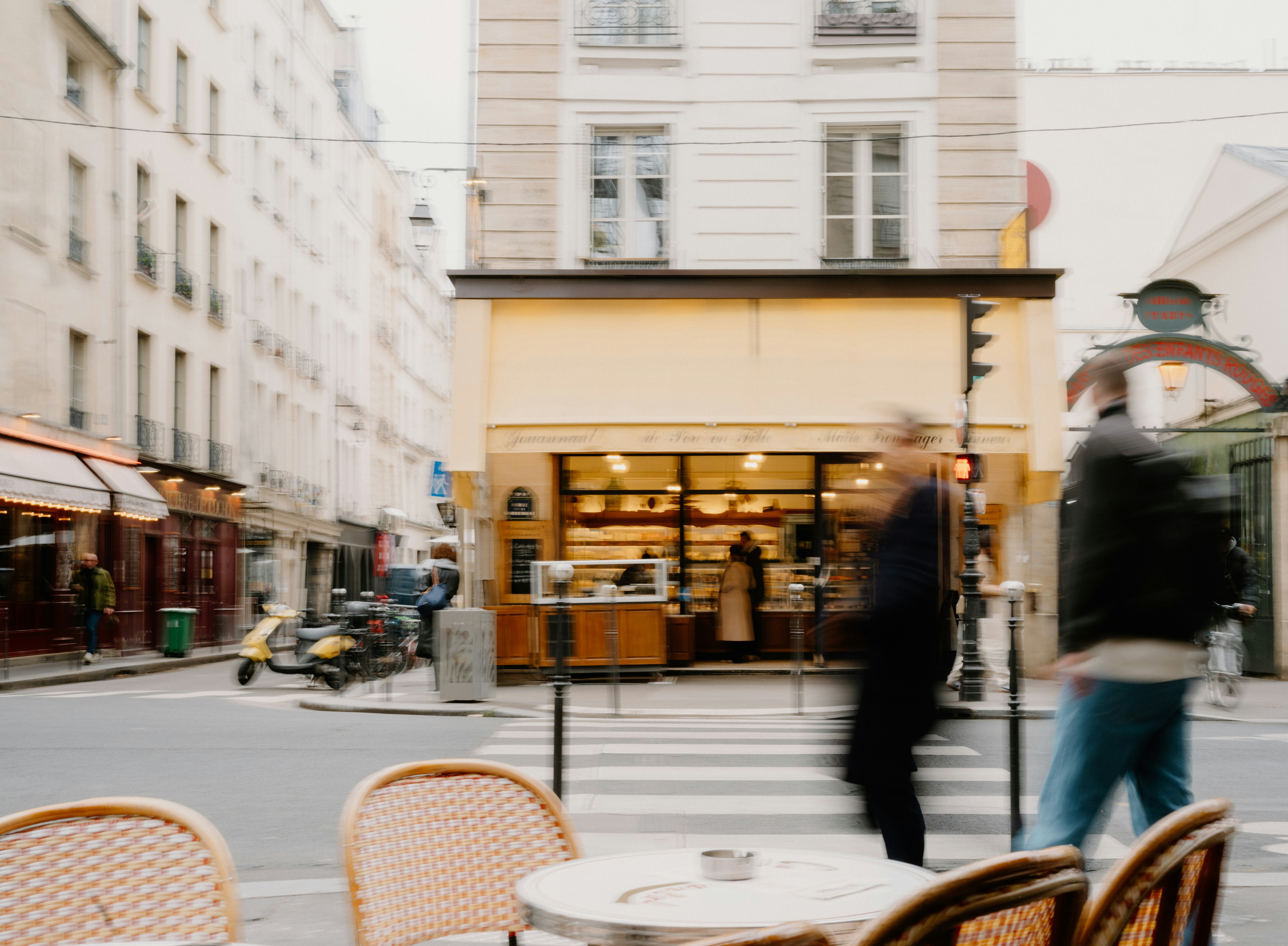
For investors looking for a more balanced approach, the 10th, 11th, 12th, and 13th arrondissements offer a strong middle ground.
These neighborhoods provide a solid mix of strong rental demand, a greater sense of security, and easier resale potential. The 11th arrondissement, in particular, has become one of the most dynamic and trendiest areas in Paris, with a vibrant atmosphere that consistently attracts expats, young professionals, and long-term tenants.
In terms of pricing, properties in these areas typically range between €9,000 and €11,500 per square meter, depending on the exact location and condition — making them more accessible than prime districts while still offering strong fundamentals.
Rental yields here are slightly lower — typically in the 3.8% to 4.2% range — but that comes with a key advantage: liquidity. Properties in these areas tend to attract more reliable tenants, rent quickly, often at higher price points. There’s also a greater opportunity to use Code civil leases, which offers more contractual flexibility and is not subject to standard rent control limits. On top of that, these properties are generally easier to resell when needed.
Neighborhoods offering a lower-risk investment profile include:
- Canal Saint-Martin / République (10e)
- Oberkampf / Bastille (11e)
- Nation / Picpus (12e)
- Bercy (12e)
- Olympiades / Bibliothèque François Mitterrand (13e)
This type of investment is ideal if you’re looking for steady, reliable returns without taking on too much risk — a balanced strategy between performance and long-term stability.
Premium Paris Districts: Low Rental Yield but Strong Capital Appreciation
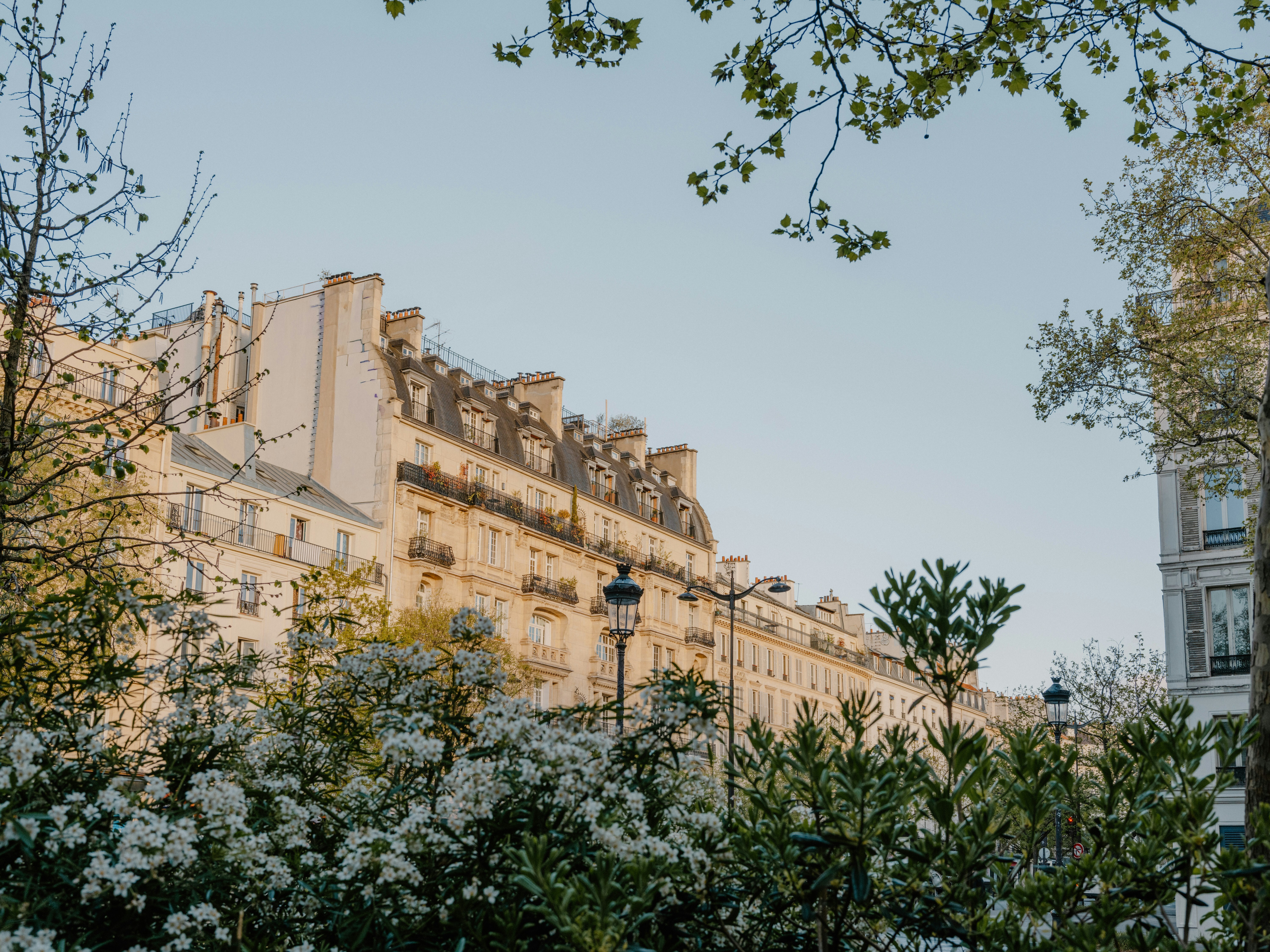
At the top end of the market, neighborhoods like Saint-Germain-des-Prés, Le Marais, the 7th arrondissement, and the 16th arrondissement remain some of the most sought-after in Paris.
These areas represent the core of the Paris luxury market, with prime locations, classic Haussmannian architecture, and strong international appeal. They are especially attractive to buyers looking for high-end, trophy assets in one of the world’s most stable real estate markets.
That level of prestige comes at a price. Average purchase prices in these neighborhoods typically range from €12,000 to €18,000+ per square meter, depending on the exact location and property quality. As a result, rental yields are lower, usually in the 2.5% to 3% range.
But again, the strategy here is different.
While cash flow is limited, these properties attract a much higher-end tenant profile — expats, diplomats, corporate tenants, and senior executives. These tenants are more likely to rent under Code civil leases, which offer significantly more flexibility: no rent control limits, more freedom in lease terms, and often higher rental pricing.
This also translates into lower operational risk — more stable tenants, fewer payment issues, and strong resale liquidity. Properties in these neighborhoods tend to hold their value exceptionally well, supported by consistent demand from both domestic and international buyers.
Neighborhoods to consider include:
- Saint-Germain-des-Prés (6e)
- Le Marais (3e / 4e)
- Eiffel Tower / Invalides (7e)
- Passy / Trocadéro (16e)
This type of investment is ideal for buyers looking for luxury real estate, long-term value preservation, and a more hands-off, secure rental strategy — rather than maximizing short-term yield.
What Type of Property Generates the Best Rental Return in Paris?
Beyond location, the type of property you buy has a direct impact on your profitability.
Why Small Apartments (Studios and T2) Offer the Highest Returns
In Paris, smaller properties consistently outperform larger ones when it comes to rental yield.
Studios and one-bedroom apartments (T2), typically between 15 and 35 square meters, are in constant demand. Students, young professionals, and expats are always looking for well-located, functional spaces — and they’re often willing to pay a premium per square meter.
Here’s why these properties deliver stronger returns:
- Higher rent per square meter: Smaller units benefit from a higher loyer de référence (rent control cap), 25% higher, allowing you to legally charge more per m² than larger apartments
- Stronger rental demand: Constant demand from students, young professionals, and expats ensures 95-98% consistent occupancy
- Better yield performance: Typically generating 4.5% to 5.2% yields, compared to 3% to 3.8% for larger units
- Faster rental cycles: These units typically rent quicker and have shorter vacancy periods
- Simpler management: Easier to furnish, renovate, and maintain compared to larger properties
Because of this, studios and T2s are often the most efficient property type for investors focused on maximizing cash flow.
Buying with Renovation: The Most Powerful Way to Increase Profitability
If there’s one strategy that can dramatically improve your investment performance in Paris, it’s buying a property that requires renovation.
How Renovation Increases Rental Yield
Properties in need of work are typically sold at a discount — often 10% to 20% below market value, depending on condition, layout, and seller motivation.
At the same time, renovation costs in Paris generally range from:
- €800 to €1,200 per m² for light cosmetic updates (painting, flooring, minor upgrades)
- €1,200 to €2,000 per m² for full renovations (kitchen, bathroom, electrical, layout improvements)
- €2,000+ per m² for high-end or structural renovations
The key is that, in many cases, the discount you negotiate at purchase can significantly offset the cost of renovation.
For example:
- You buy a 30 m² apartment at a 15% discount, saving ~€45,000
- You invest ~€45,000–€60,000 in renovation
- You end up with a fully upgraded property at (or close to) market value — but with much stronger rental potential
And that’s only part of the advantage.
With the right tax structure (such as régime réel for furnished rentals), renovation costs can often be deducted from your rental income, significantly reducing your taxable profit — or even creating a tax deficit in the early years.
Best Tax Status for Rental Investment in France: LMNP vs SCI
Your legal and tax structure plays a major role in your overall return.
LMNP (Location Meublée Non Professionnelle): The Most Efficient Option
For most individual investors, LMNP status is one of the most tax-efficient ways to invest in Paris real estate.
It allows you to rent furnished properties while benefiting from favorable tax treatment, including depreciation, which can significantly reduce your taxable income. In many cases, this means paying little to no tax on rental income for several years.
Under LMNP, there are two main tax regimes to choose from:
Micro-BIC (simplified regime):
This is the easiest option from a management perspective. You benefit from a flat 50% tax allowance on your rental income, meaning only half of your income is taxed — no need to justify actual expenses.
This regime applies as long as your annual rental income does not exceed €77,700.
Régime réel (real regime):
This is more optimized but slightly more complex. It allows you to deduct actual expenses (interest, renovation costs, furniture, management fees, etc.) and amortize the property and furnishings, often reducing your taxable income to zero for many years.
This regime becomes mandatory above €77,700 in annual rental income, but many investors choose it voluntarily even below that threshold to maximize tax efficiency.
SCI (Société Civile Immobilière): A Long-Term Wealth Strategy
For more advanced investors, setting up an SCI (Société Civile Immobilière) — especially one taxed under corporate income tax (IS) — can offer additional flexibility and control over your real estate investments.
This structure is particularly useful if you plan to hold multiple properties, reinvest profits, or structure ownership between partners or family members.
One of the main advantages of an SCI under corporate tax is that you can retain earnings within the company and reinvest them without being immediately taxed at the personal level. This can accelerate portfolio growth over time. It also allows you to deduct expenses and amortize the property, similar to LMNP, which can help reduce taxable profits.
SCI is also widely used for estate planning and wealth transmission, making it easier to pass assets to the next generation in a structured and tax-efficient way.
Final Thoughts: Is Paris Still a Good Investment in 2026?
Paris is still one of the most resilient and attractive real estate markets in the world — but the way you invest in it matters more than ever.
Whether your goal is maximizing cash flow, building long-term wealth, or securing a premium asset, Paris still offers real opportunities — if you approach it the right way.
If you’re considering investing in Paris and want expert guidance, Paris Rental can help you navigate the entire process — from property sourcing and acquisition to renovation, rental strategy, and full property management.
Feel free to reach out to our team to discuss your project and explore the best opportunities tailored to your investment goals.
Editor: Siyi CHEN