Top Most Affordable Neighborhoods in Paris (2026 Guide)
Living in Paris comes with real financial pressure — rent is high, apartments are small, and finding something affordable in a nice, safe neighborhood can quickly become a challenge.
But the good news? There are still several budget-friendly areas in Paris where you can find good value for money without sacrificing your lifestyle.
Here are some of the best affordable neighborhoods to live in Paris in 2026:
What to Look for in a Paris Neighborhood
Just like in any major city, what makes a great neighborhood in Paris really comes down to a few key factors — but here, they play out in very specific ways.
Safe Neighborhoods in Paris: What to Expect
Safety in Paris isn’t just about crime rates — it’s also about the overall atmosphere. Some neighborhoods feel more residential, better lit, and calmer at night, especially in outer arrondissements like the 12th, the 16th, or the 15th. In more central or tourist-heavy spots, it’s more about staying alert to things like pickpocketing.
Overall, Paris is considered a relatively safe city across most neighborhoods, especially when compared to large U.S. cities. Violent crime rates in Paris are significantly lower than in cities like New York, Los Angeles, or Chicago, and most safety concerns tend to involve petty theft rather than dangerous incidents.
So “feeling safe” often means choosing a neighborhood with a local, lived-in vibe rather than a high-traffic one.
Affordable Areas in Paris: Finding a Good Deal on Rent
Affordability is probably the biggest challenge. Paris is expensive, but the difference between neighborhoods can be huge. Outer arrondissements (18th, 19th, 20th) or less touristy parts of the 13th or the 14th often offer a better price per square meter. That’s where you’re more likely to find a good deal on rent, especially if you're planning on renting long-term.
Access to Public Transit: Why Location Matters
Access to public transit is absolutely essential in Paris. The good news is the city is extremely well connected — but being close to a metro line (especially lines like 1, 4, or 14) or an RER station can completely change your daily routine.
One of the biggest advantages of Paris is that even if you live farther from the city center, your commute can still be very manageable. On average, most people commute around 20 to 50 minutes, and it’s not uncommon to reach central areas in under 30 minutes from outer arrondissements or nearby suburbs.
In Paris, distance matters less than connectivity. A direct metro or RER line can make living outside the center feel just as convenient as being in it — often with more space and a better price.
Community Feel: The Paris Neighborhood Lifestyle
The community feel in Paris is one of the city’s biggest characteristics — and it really changes from one neighborhood to another. Each area almost feels like its own little village, with local bakeries, weekly markets, small cafés, and familiar faces you start recognizing over time.
But what makes it special is the variety. Some neighborhoods, like Belleville, have a more artistic and bohemian vibe, full of street art and creative energy. Others, like Le Marais, feel more fashion-forward and trendy, with boutiques and galleries always buzzing. Places like Butte-aux-Cailles offer that true village feel, quiet and charming, while parts of the 13th are more modern and residential. Then you have areas like the 12th or 15th, which are known for being more family-friendly and relaxed.
Neighborhoods like the 7th and 16th arrondissements are much more posh and upscale, with elegant buildings, embassies, and a quieter, more refined atmosphere.
It’s not just about where you live — it’s about the lifestyle that comes with it. In Paris, choosing a neighborhood really means choosing a vibe that fits you.
Belleville (20th arrondissement)
Located in the northeast of Paris, between the 11th and 20th arrondissements, Belleville is historically a working-class, immigrant neighborhood. Today, it’s a mix of Chinese, North African, and older French working-class communities, along with artists and younger residents moving in because it’s still relatively affordable. You’ll find some of the most authentic and affordable Asian food in the city, along with markets, cheap shops, and great grocery stores.
If you’re coming from the U.S., you might compare it to neighborhoods like Bushwick or parts of Brooklyn — artsy, multicultural, a bit gritty, and constantly evolving.
What really defines Belleville is its creative, laid-back energy. It has one of the strongest creative scenes in the city, with street art everywhere, small galleries, underground music spots, and bars that don’t feel polished or overpriced. It’s one of the last areas where Paris still feels a bit rebellious.
And then there’s Parc de Belleville — arguably one of the best views in Paris, without the crowds. It’s a striking contrast: lively, gritty streets below and a quiet panoramic skyline above.
Safety and What to Know
Belleville is generally safe, but it’s not the calmest or cleanest part of Paris. Some streets can feel crowded and a bit chaotic. Like in most big cities, the atmosphere can change quickly from one block to another, so choosing your exact street matters. That said, many people live here comfortably and enjoy the neighborhood’s energy.
Housing costs in Belleville
Belleville still offers relatively good value for Paris:
- Average rent (1-bedroom): €1,300–€1,500/month
- Average home price: ~€8,415/m²
It’s more affordable than central areas while still being close to everything.
Transportation
The neighborhood is well connected, with metro lines (2 and 11), making it easy to reach central Paris quickly.

Photo on Unsplash.
13th arrondissement (Butte-aux-Cailles & Olympiades)
Located in the southeast of Paris, the 13th arrondissement is often overlooked — which is exactly why it remains one of the city’s more budget-friendly areas. It’s also one of the most practical and livable parts of Paris, with plenty of large supermarkets, Asian grocery stores, and everyday conveniences that make daily life easier.
This is Paris’s main Asian district, especially known for its Vietnamese and Chinese communities. That’s really the heart of the 13th, where you’ll find some of the most authentic and affordable Asian food in the city.
If you’re coming from the U.S., you might compare it to Sunset Park in Brooklyn — multicultural, more residential, less touristy, and very practical for everyday living.
Parts of the 13th were heavily redeveloped in the 1960s and 70s, and it shows. Instead of classic Parisian streets, you’ll find high-rise residential buildings, open plazas, and wider, more functional layouts. It’s not the most charming arrondissement — but it’s efficient.
There are a few notable contrasts within the neighborhood:
- Butte-aux-Cailles: a small, village-like pocket with bars, cafés, and real charm — it almost feels like a different neighborhood entirely.
- Street art: the 13th has some of the largest murals in Paris, adding character to otherwise plain buildings.
- Bibliothèque / Seine area: newer, cleaner, and more modern, with a slightly corporate feel.
The 13th district is a great fit for students, young professionals, and families. It’s quieter than central Paris, but still lively enough, and much easier to manage for day-to-day life.
Safety and What to Know
Overall, the 13th arrondissement is very safe and comfortable to live in. It’s largely residential, with a calm, practical atmosphere. While it doesn’t have the historic charm of central Paris, it makes up for it with livability and convenience.
Housing costs in Paris’s 13th arrondissement
One of the biggest advantages of the 13th is value:
- Average rent (1-bedroom): ~€1,600/month
- Average home price: ~€8,694/m²
It’s one of the better places in Paris to find a good deal while still staying within city limits.
Transportation
The neighborhood is extremely well-connected, especially with Metro Line 14, one of the fastest and most efficient lines in Paris, making commuting quick and easy.
19th arrondissement (La Villette & Buttes-Chaumont)
Located in the northeast of Paris, the 19th arrondissement is one of the city’s more affordable and spacious neighborhoods. With its working-class roots, diverse communities, and ongoing gentrification, it has a dynamic, evolving vibe that feels noticeably different from central Paris.
If you’re coming from the U.S., you might compare it to neighborhoods like Astoria in Queens or parts of outer Brooklyn — less touristy, more local, multicultural, and offering better value for space.
What really sets the 19th apart is its access to green space and outdoor living — something that’s hard to come by in Paris.
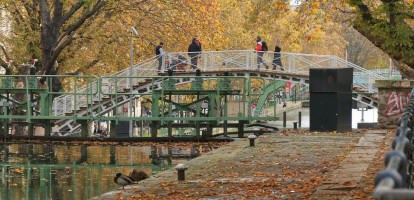
At the center of the neighborhood is Parc des Buttes-Chaumont, one of the city’s most distinctive parks, known for its hills, scenic views, and plenty of space to relax. Nearby, the Canal de l’Ourcq and Bassin de la Villette have become popular hangout spots, especially in the summer, with cafés, bars, and seasonal events.
The area is also home to La Villette, a modern cultural complex with museums, movie theaters, and concert venues that add a creative, contemporary edge.
Safety and What to Know
Overall, the 19th arrondissement is generally safe to live in. Most neighborhoods are quiet, residential, and perfectly comfortable. Like any big city, though, there are a few areas that can feel a bit rough at times — especially around Stalingrad, Jaurès, and parts of Porte de la Villette.
Housing costs in Paris’s 19th arrondissement
One of the biggest advantages of the 19th is affordability:
- Average rent (1-bedroom): ~€1,500/month
- Average home price: ~€8,232/m²
Transportation
The neighborhood is also well connected, with metro lines 2, 5, and 7bis, making it easy to get to central Paris.
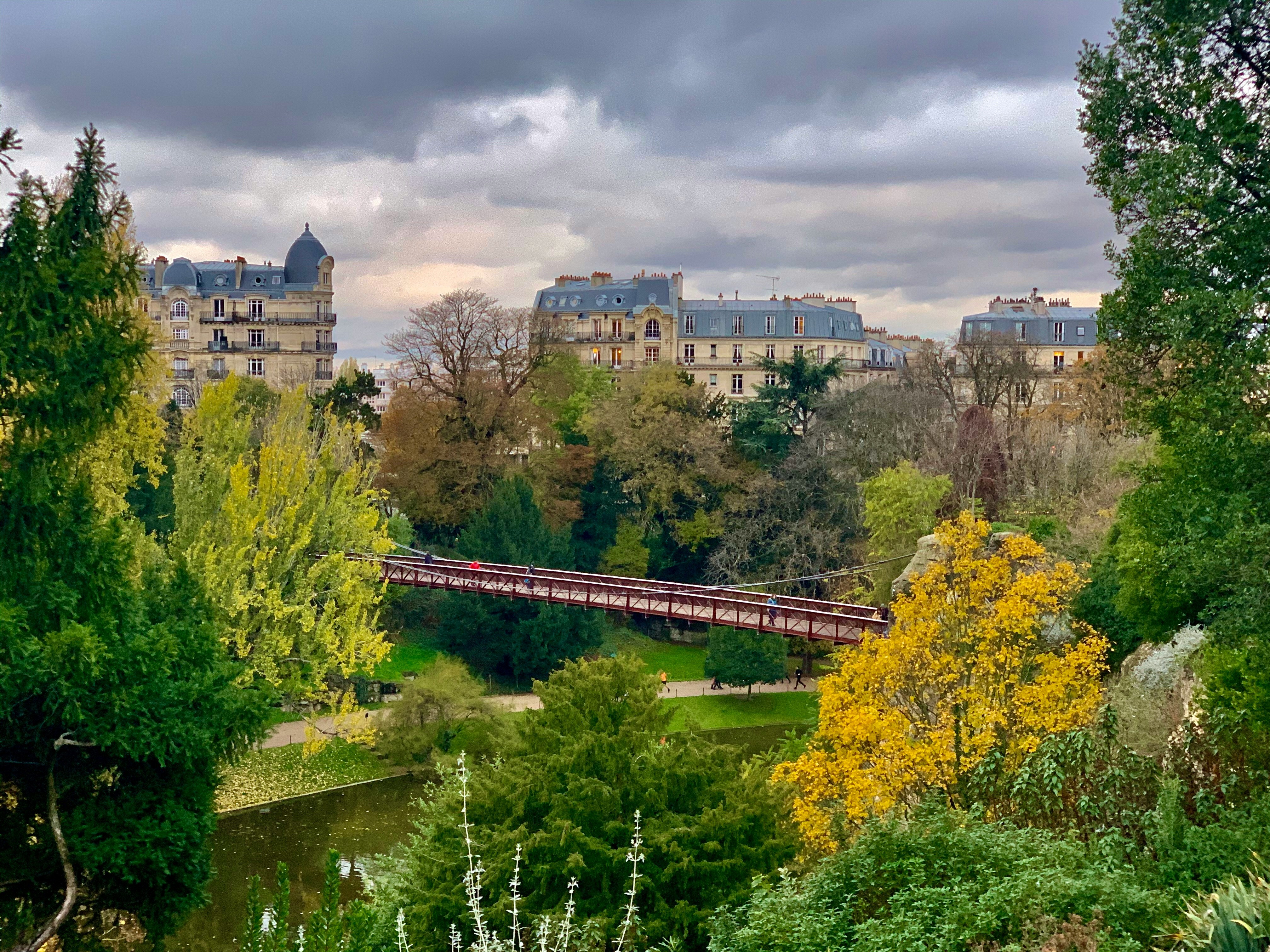
Photo on Unsplash.
12th arrondissement (Bercy & Daumesnil)
Located on the eastern side of Paris, the 12th arrondissement is known for being clean, calm, and residential. It doesn’t get as much attention as central neighborhoods, but that’s part of its appeal — it offers a great balance between a relaxed residential feel and easy access to the rest of the city.
You might compare it to parts of the Upper East Side or residential Brooklyn — quiet, safe, and practical, with a slightly more suburban feel while still being fully connected.
The area around Bercy has been redeveloped into a modern, pleasant neighborhood with parks, shops, and the popular Bercy Village. Nearby, Daumesnil offers a more classic residential vibe, with wide streets and easy access to the Bois de Vincennes, one of the largest green spaces in Paris — perfect for running, biking, or weekend walks.
The 12th is especially well suited for families, professionals, and anyone planning to stay long-term. It’s quieter than central Paris, but still has everything you need for comfortable day-to-day living.
Safety and What to Know
The 12th arrondissement is considered very safe and peaceful. It’s primarily residential, with a calm, well-maintained feel throughout. It may not have the buzz of trendier areas, but it makes up for it with comfort and stability.
Housing costs in Paris’s 12th arrondissement
The 12th offers solid value for Paris:
- Average rent (1-bedroom): €1,600/month
- Average home price: ~€9,203/m²
Transportation
The area is well-connected, with multiple metro lines (1, 6, 8, and 14) and easy access to Gare de Lyon, making it especially convenient for commuting within Paris or traveling to other cities.
18th arrondissement (outside Montmartre)
Located in the north of Paris, the 18th arrondissement — outside of Montmartre — offers a much more affordable and local feel. While Montmartre itself is expensive, the surrounding areas remain relatively budget-friendly and full of character.
It’s closer to parts of Harlem or the Bronx — busy, multicultural, sometimes chaotic, but very alive and deeply rooted in everyday city life.
What defines the 18th is its intensity and diversity. Areas like Barbès, Château Rouge, and La Chapelle are among the most vibrant and multicultural in Paris, with African, North African, and South Asian communities, street markets, and constant activity.
The area is especially popular with young professionals, artists, and renters looking for better value while staying within Paris. It’s not as polished as central neighborhoods, but that’s exactly why it’s attracting more attention.
Safety and What to Know
This is not the calmest part of Paris. Some areas — especially around Barbès, Château Rouge, and La Chapelle — can feel crowded, hectic, and at times uncomfortable, particularly at night.
That said, it’s not unsafe in a dramatic sense, but it does require more awareness than quieter neighborhoods. The experience can vary a lot from one street to another, so choosing the exact location is key.
Housing costs in Paris’s 18th arrondissement
One of the biggest advantages of this area is affordability:
- Average rent (1-bedroom): €1,600/month
- Average home price: €8,232/m²
Transportation
The area is well connected, with metro lines (2, 4, and 12), making it easy to reach central Paris and other key neighborhoods.
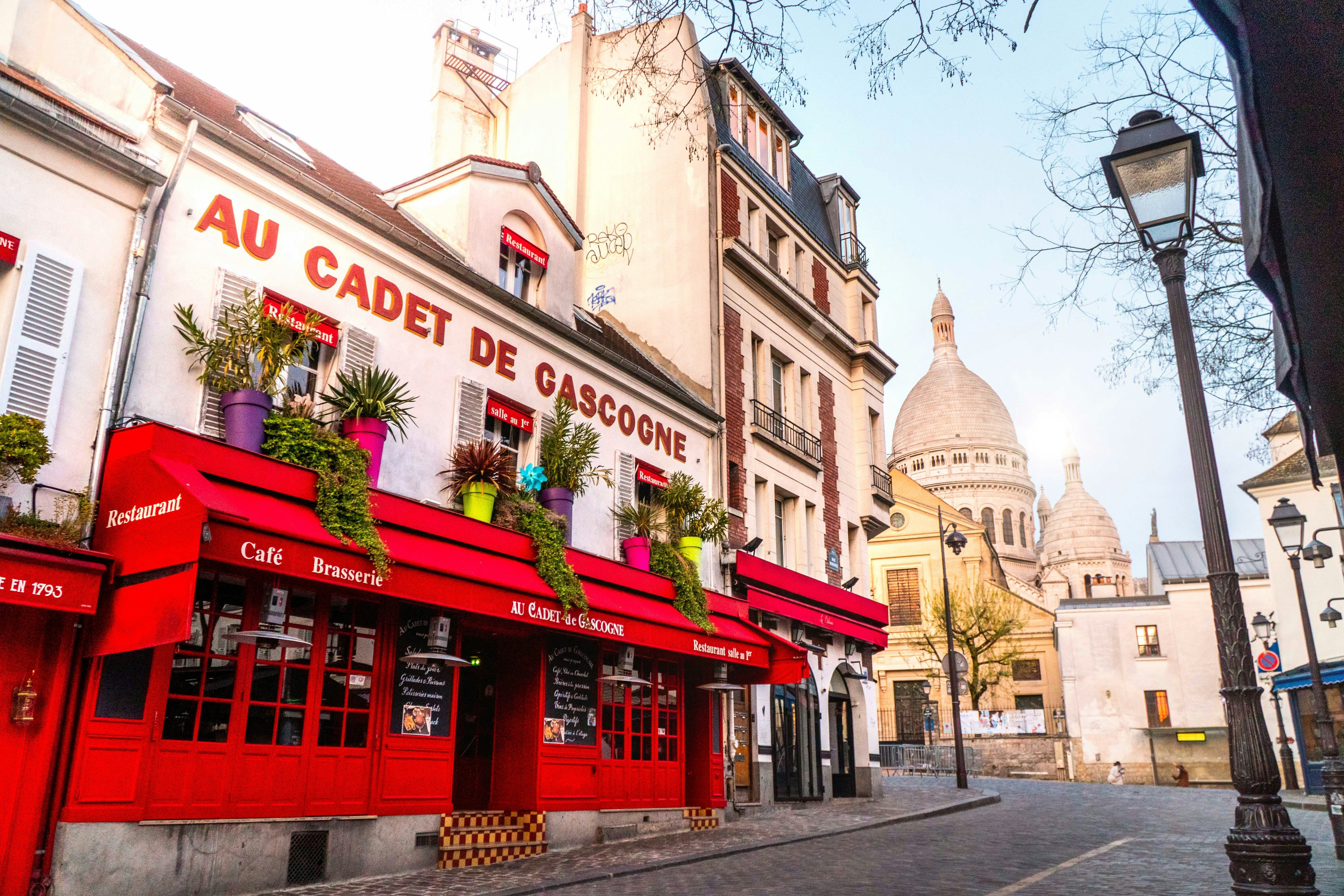
Photo by Bastien Nvs on Unsplash.
Paris vs Suburbs Lifestyle: What Fits You Best?
When choosing where to live, one of the biggest decisions is whether to stay inside Paris or move to the suburbs (banlieues). Both offer very different lifestyles depending on what you’re looking for.
Living in Paris means being in the heart of everything — cafés, culture, walkability, and that classic Parisian vibe. But this comes at a cost: higher rent, smaller spaces, and fewer good deals on rent.
In contrast, the suburbs offer more space, newer apartments, and significantly lower prices, making them a more budget-friendly option. They’re also quieter, greener, and often worth considering for families.
Some of the more popular and livable suburbs include Boulogne-Billancourt (modern, safe, and very close to Paris), Vincennes (charming, residential, and right next to the Bois de Vincennes), and Saint-Mandé (quiet, upscale, and well connected).
If you’re looking for something more affordable, areas like Montreuil or Ivry-sur-Seine are increasingly popular with younger renters — more dynamic, a bit edgier, but offering much better value for space.
And distance isn’t as much of an issue as people think — most commutes to central Paris take around 20 to 40 minutes thanks to the metro and RER.
Editor: Siyi CHEN
Photo by JOHN TOWNER on Unsplash.