How to Get Home Insurance in Paris: A Complete Guide for Expats
You have found your apartment for rent in Paris, signed the lease, and are getting ready to move in.
Before handing over the keys, your landlord or rental agency will usually ask you for one important document:
“Please send us your attestation d’assurance habitation before the key handover.”
If you are moving to France for the first time, this may be unfamiliar. What is assurance habitation? Is it similar to renters insurance in the U.S.? Is it mandatory? How much does it cost? And how can you arrange it if you do not speak French?
The good news is that getting home insurance in France is usually simple and relatively inexpensive. In most cases, you can arrange it online once you have your apartment details and move-in date.
Here is what you need to know before moving into a long-term rental apartment in Paris.
What Is Home Insurance in France?
Home insurance in France, commonly called assurance habitation, protects you and your home in case of certain accidents or damage.
For tenants, it is similar to renters insurance in the United States, although the French system works a little differently.
What Does Basic Tenant Insurance Cover?
For tenants, the minimum required coverage is generally called Rental Risks (Risques Locatifs). It covers damage to the rented property caused by:
- fire;
- explosion;
- water damage.
This is the basic level of home insurance generally required for tenants in France. More comprehensive policies can also cover your personal belongings, civil liability, theft, and other risks.
Is Home Insurance Mandatory for Renters in Paris?
Yes, home insurance is legally mandatory for renters in Paris and across France.
Before receiving the keys, tenants are normally required to provide a home insurance certificate (attestation d’assurance habitation). The landlord may also ask for an updated certificate each year.
The same obligation applies to a mobility lease (bail mobilité), corporate rentals, company housing, or pied-à-terre rentals under a Code Civil lease.
What Is Multirisque Habitation?
When comparing French home insurance policies, you will often see the term:
MRH — Multirisque Habitation
This is a more comprehensive type of home insurance. It usually includes the mandatory rental-risk coverage, plus additional protection such as:
- Civil Liability (Responsabilité Civile): covers accidental damage or injury you or members of your household may cause to other people. Depending on the policy, pets may also be covered.
- Contents Insurance (Biens et Mobilier): covers personal belongings such as furniture, electronics, and clothing against certain risks, depending on the policy.
For most expats renting a furnished apartment in Paris, a multirisque habitation policy is often more practical than choosing only the minimum required coverage.
The civil liability coverage can also be especially useful when moving to France, as schools, sports clubs, internships, and other organizations may sometimes ask for proof of responsabilité civile.
Home Insurance and Pets in Paris: What Should You Check?
If you live with a dog or cat in your rental apartment, make sure your home insurance covers damage caused by your pet.
In many comprehensive home insurance policies, personal liability coverage (responsabilité civile) can cover certain damage your pet causes to other people. However, damage caused inside your own rental apartment is not always covered.
Before choosing a policy, check:
- whether your pet is covered under personal liability;
- whether there are exclusions depending on the type or breed of animal;
- whether damage caused inside the rented property is covered;
- whether you need to declare your pet to the insurer.
For a furnished apartment in Paris, this is especially important because some of the furniture and equipment belong to the landlord.
That placement will feel natural and won’t interrupt the practical flow of the rest of the article.
How Much Does Home Insurance Cost in France in 2026?
Home insurance is usually a relatively small expense compared with rent.
For many tenants, you can expect to pay roughly:
- €10–€15 per month for a small apartment with standard coverage;
- €15–€25+ per month for a larger apartment or more comprehensive coverage.
The exact price depends on several factors, including:
- the size and location of the property;
- the number of rooms and the floor;
- whether it is furnished or unfurnished;
- the value of your personal belongings;
- the level of coverage and deductible;
- whether theft protection is included;
- your previous claims history.
In Paris, home insurance can sometimes cost slightly more than in smaller French cities, depending on the property and the level of coverage you choose.
When Should You Get Home Insurance Before Moving Into a New Apartment in France?
Do not wait until moving day. It is best to arrange your home insurance as soon as your lease is signed and your move-in date is confirmed.
Your policy should start no later than the first day of your lease.
Once the policy is in place, your insurer can issue your home insurance certificate (attestation d’assurance habitation). You will usually need to send this to your landlord or rental agency before the move-in inspection (état des lieux d’entrée) and key handover.
For expats, arranging this a few days in advance can make the move-in process much smoother.
What Information Do You Need to Get Home Insurance in France?
The easiest way to get home insurance in France is often to apply online. During the application, you will usually be asked for some basic information about yourself and the property you are renting.
About you
You may be asked for:
- your full name;
- date of birth;
- email address;
- phone number;
- current address;
- your status as a tenant;
- the number of people who will live in the property.
About the apartment
You will usually need:
- the full address and postal code;
- the apartment size in square meters;
- the number of main rooms;
- the floor number;
- whether the property is furnished or unfurnished;
- whether it is an apartment or a house;
- the move-in date;
- sometimes details about a cellar, balcony, terrace, or parking space.
For the number of main rooms, French insurers usually count only the living room and bedrooms. Kitchens, bathrooms, hallways, and WCs are not included.
So, in general:
- a studio = 1 main room;
- a one-bedroom apartment = 2 main rooms;
- a two-bedroom apartment = 3 main rooms;
- a three-bedroom apartment = 4 main rooms.
If you are unsure about any of these details, check with your landlord or rental agent before completing the application.
You may also be asked to estimate the total value of your personal belongings. This includes items such as furniture, electronics, clothing, jewelry, bicycles, or camera equipment. Try to choose a realistic amount so that your coverage is sufficient if you ever need to make a claim.
Where Can You Get Home Insurance in France?
There are several ways to get home insurance in France, depending on whether you prefer in-person support, a fully online process, or to arrange it through your bank.
1. A traditional insurance company
France has many large insurance companies offering home insurance both online and through local branches, including AXA, Allianz, MAIF, MACIF, Matmut, Groupama, and Generali.
This can be a good option if you prefer speaking to someone directly. In some local branches, you may also find English-speaking staff, although this depends on the location.
It can be especially useful if you want help choosing a policy or need support later when making a claim.
2. An online insurer
Many tenants now arrange their home insurance entirely online. You complete a form, choose your coverage, pay, and receive your insurance certificate electronically.
Popular online options in France include Luko, Lemonade, Acheel, and Lovys.
If you have just found a long-term apartment for rent in Paris, this is often one of the quickest and easiest ways to get insured.
3. Your bank
Many French banks also offer home insurance. If you are opening a French bank account, your bank may offer you an insurance policy at the same time.
This can be convenient if you prefer to manage your banking and insurance with the same provider.
What If You Don’t Speak French When Getting Home Insurance?
If you are moving to France and do not speak French, getting home insurance can feel complicated at first. Fortunately, you do not need to speak fluent French to arrange a policy.
Many French insurers operate mainly in French, especially their websites and policy documents. If you apply online, you can usually translate the pages into English using Google Chrome or another browser with a built-in translation tool.
The most important thing is to make sure you understand the coverage, deductible, and conditions of the policy before you subscribe.
Here are some of the main French insurance terms you should know:
| French | English |
| -------------------------- | ------------------------------------ |
| Assurance habitation | Home insurance |
| Multirisque habitation | Comprehensive home insurance |
| Locataire | Tenant |
| Logement meublé | Furnished apartment |
| Logement non meublé / vide | Unfurnished apartment |
| Risques locatifs | Rental risks |
| Responsabilité civile | Personal liability |
| Dégât des eaux | Water damage |
| Incendie | Fire |
| Vol | Theft |
| Franchise | Deductible |
| Capital mobilier | Value of personal belongings insured |
| Attestation d’assurance | Insurance certificate |
| Date d’effet | Policy start date |
| Sinistre | Insurance claim |
The two terms expats often find confusing are franchise and capital mobilier.
A franchise is the amount you may need to pay yourself when making a claim. The insurer then covers the remaining amount, according to your policy.
Capital mobilier is the total value of the personal belongings you want to insure, such as furniture, electronics, clothing, or other valuable items.
When choosing your policy, make sure both amounts suit your situation. A lower franchise usually means you pay less yourself if something happens, while your capital mobilier should reflect the real value of your belongings.
Do You Need a French Bank Account to Get Home Insurance?
No, you do not need a French bank account to get home insurance in France.
Payment options depend on the insurer. Many online insurers accept payment with a non-French bank card, which can be convenient if you have just arrived in France.
Some traditional insurers may prefer payment by bank transfer or direct debit. In that case, a French bank account is not always necessary, as a non-French eurozone IBAN is generally accepted as well.
What Should You Do If There Is Water Damage in Your Paris Apartment?
Water damage is one of the most common problems tenants may face in Paris.
If you discover a leak in your apartment, the first priority is to limit the damage:
- Stop the source of the water if you can do so safely.
- Try to identify where the leak is coming from.
- Move or protect your belongings to prevent further damage.
- Take photos and videos of the leak and any damage.
- Inform your landlord or property manager as soon as possible.
- Contact your insurer to report the incident.
- If another apartment is affected, exchange contact and insurance details with your neighbor.
Do not throw away damaged items immediately, as your insurer may need to see photos, receipts, invoices, or other proof when processing the claim.
Keep all photos, documents, and correspondence until the claim is fully resolved.
What Should You Do If There Is a Theft in Your Paris Apartment?
If your apartment in Paris is burglarized, start by contacting the police and reporting the burglary. You will usually need the police report for your insurance claim.
Next, check whether your home insurance policy includes theft coverage. If it does, contact your insurer as soon as possible to open a claim.
You will generally be asked to provide:
- the police report;
- photos of any damage;
- a list of stolen items;
- proof of ownership and value where possible, such as receipts, bank statements, photos, or serial numbers.
If you keep valuable items at home, it is a good idea to photograph them in advance and keep digital copies of your receipts. This can make the claim process much easier if a burglary happens.
Can You Cancel or Change Your Home Insurance in France?
Yes. After the first year of your contract, you can generally cancel or change your home insurance at any time without fees or penalties.
If you decide to change insurer, your new insurance company can usually take care of cancelling the old policy for you, which makes the process quite simple.
In general, the cancellation takes effect one month after the request is received.
If you move to another apartment for rent in Paris, you do not necessarily need to cancel your policy. Your insurer may simply update the contract with your new address and the details of your new home.
A Simple Home Insurance Checklist Before Moving Into Your Paris Apartment
Before the key handover, make sure you have completed these steps:
- sign your lease;
- confirm the exact apartment address and lease start date;
- check the apartment size and number of main rooms;
- compare a few home insurance policies;
- choose at least the required rental-risk coverage;
- check whether civil liability and personal belongings are also covered;
- set the insurance start date to match your lease start date;
- download your attestation d’assurance habitation;
- check that your name and apartment address are correct;
- send the certificate to your landlord or rental agency;
- keep a copy of the PDF somewhere easy to access.
Once you have sent the certificate, your home insurance is ready for move-in.
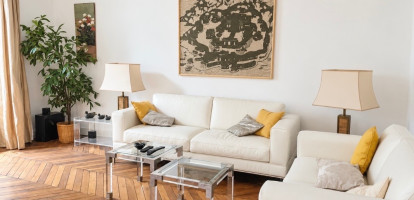
Credit photo: Photo from Tierra Mallorca on Unsplash.