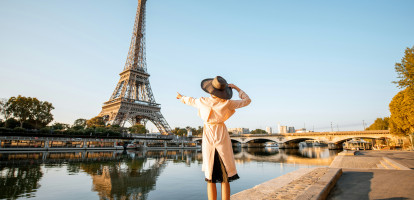
Where Should You Stay in Paris? A Complete Paris Neighborhood Guide
Where you stay in Paris matters more than you think. The city isn’t just one vibe — it shifts from neighborhood to neighborhood. Some areas feel like the Paris you’ve seen in movies, while others feel like real, everyday life.
So the real question is: What kind of Paris do you actually want to live in?
Not just what looks good on Instagram — but what fits your daily life, your habits, and your priorities.
First Time in Paris: Where Should You Stay?
If you’re new to Paris, what are the best neighborhoods to stay in? Stay central. Stay walkable.
When you first arrive, everything is new — getting around, grocery stores, social life, even simple routines. Being in a central area makes a real difference. You can explore more easily, stress less, and get familiar with the city much faster.
You can always move later. Your first apartment doesn’t need to be perfect — just practical.
Le Marais (3rd & 4th) — Is It the Best First Neighborhood in Paris?
Le Marais is one of the easiest neighborhoods to land in when you first arrive. It’s central, lively, and trendy, and you can do almost everything on foot. It sits right in the center of Paris, on the Right Bank just north of the Seine, which means you can easily walk to major landmarks like Notre-Dame and the Louvre.
The area is lively and dense, with a mix of historic streets dating back to the medieval period and the 17th century, along with restaurants, cafés, bars, fashion boutiques, and small galleries. You’ll find everything you need day-to-day — good bakeries, small grocery stores, and pharmacies — plus a strong food scene, a vibrant LGBTQ+ community, and plenty of trendy places to go out. It’s also one of the most international neighborhoods in Paris, which makes settling in much easier.
That said, most buildings are old (17th–18th century) and often don’t have elevators, so apartments tend to be small and not always well-insulated. Noise can also be an issue, especially on weekends. It’s a great base for your first months in Paris, but many people eventually move elsewhere for more space, quiet, or better value.
Latin Quarter (5th) — Is It Good for Students or Budget Living?
The Latin Quarter has a young, intellectual, student-driven vibe, thanks to the Sorbonne, which has been here since the 13th century. It’s located on the Left Bank of the Seine in the 5th arrondissement, and it’s one of the oldest parts of Paris — you can really feel its medieval roots in the streets, which are narrow, winding, and very different from the wide, uniform boulevards you see in other parts of the city.
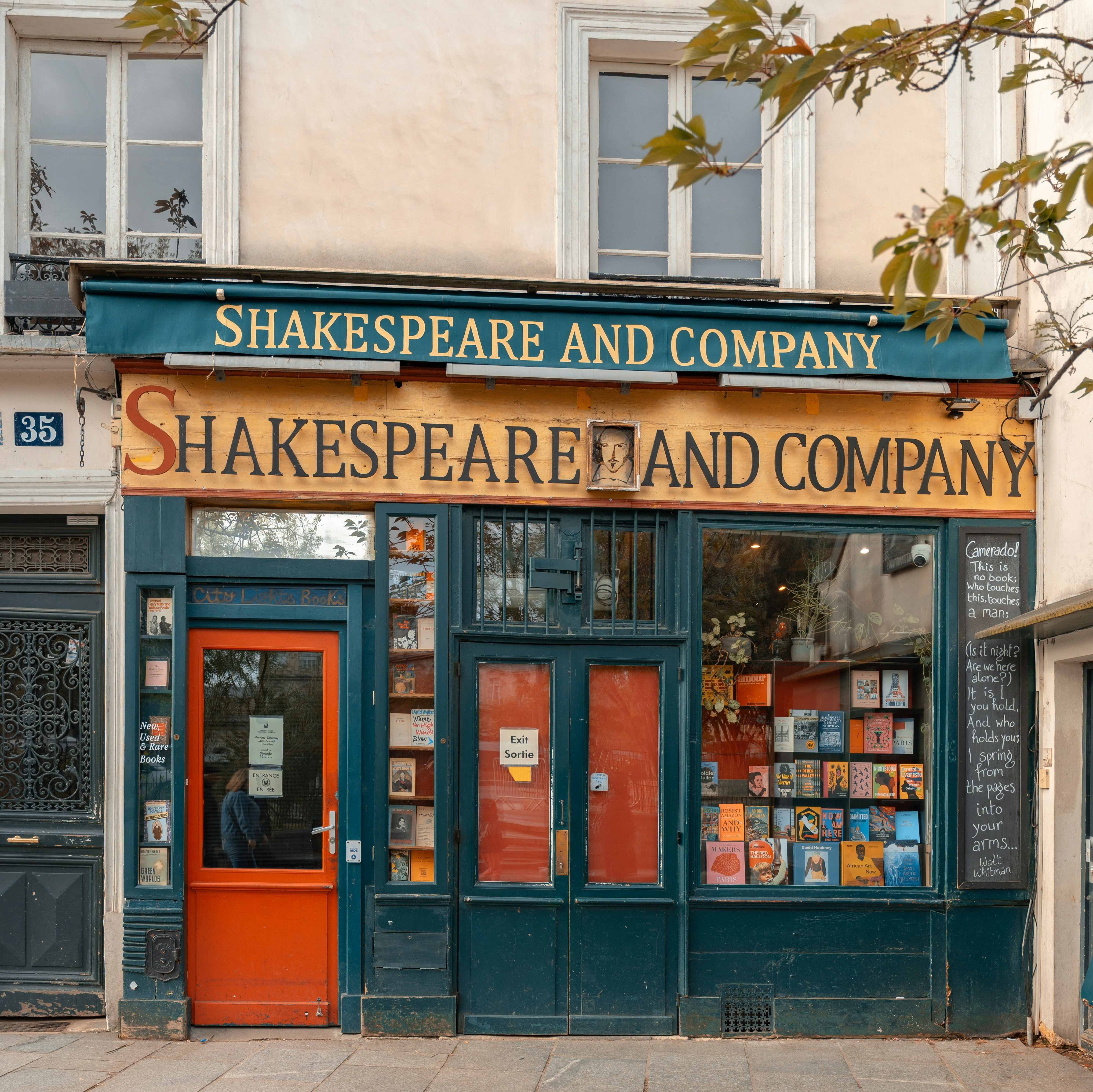
You’ll find a mix of students, locals, and visitors, along with historic bookshops like Shakespeare and Company, casual cafés, and plenty of affordable restaurants, especially compared to nearby Saint-Germain. It’s a practical choice if you want to keep costs somewhat under control without giving up a central location. The Latin Quarter is also within walking distance of major landmarks like the Panthéon and Luxembourg Gardens, which adds to its day-to-day appeal.
Some of the main streets can feel a bit touristy, particularly around Saint-Michel, but the atmosphere changes quickly once you move a few streets deeper into the neighborhood. It’s a good balance between energy and livability, especially if you want something central with a slightly more relaxed, less polished feel.
Saint-Germain-des-Prés (6th) — Is It Worth the Price?
Short answer: If you can afford it, yes.
Saint-Germain-des-Prés is what many people picture when they think of Paris: elegant streets, historic cafés, art galleries, and a refined, almost timeless atmosphere. It’s located on the Left Bank in the 6th arrondissement, just across the Seine from the Louvre, and is one of the most central and pleasant areas to live in.
Compared to the Marais, it’s quieter and more polished, with a slightly older, more established feel. You can walk almost everywhere — the Seine, the Louvre, the Latin Quarter, the Marais, and even further into the city — so day-to-day life is very easy. Saint-Germain-des-Prés is also known for its café culture, with iconic spots like Café de Flore and Les Deux Magots, though in reality, most people end up frequenting smaller, less famous local places nearby.
The neighborhood feels safe, clean, and consistently beautiful at all hours, which is a big part of its appeal. The downside is the price — this is one of the most expensive areas in Paris, and apartments are often smaller than you’d expect for the cost. Most buildings are quite old, often without elevators, and many apartments have exposed wooden beams, which add charm but can also mean less modern layouts and insulation. Still, if you’re looking for a classic, comfortable, and very central place to live, Saint-Germain is hard to beat.
Opéra (2nd & 9th) — Is It the Most Practical Area in Paris?
The Opéra neighborhood is often overlooked, but it’s incredibly practical, especially when you first move to Paris. Located in the heart of the Right Bank, between the 2nd and 9th arrondissements and bordering the 1st and 8th, it’s one of the best-connected areas in the city, with multiple metro lines (3, 7, 8) and access to the RER A, making it very easy to get around. It’s also a highly convenient place to live day-to-day, with plenty of shops, gyms, offices, and major department stores like Galeries Lafayette and Printemps all within walking distance.
That said, the neighborhood is very busy and can be noisy, especially during the day, with a mix of locals, office workers, and visitors. It doesn’t have the same Parisian charm or neighborhood feel as areas like the Marais or Saint-Germain, but it makes up for it with efficiency and a very central location. You can easily walk to places like Palais Royal, the Louvre, and the Tuileries, which is a big advantage when you’re still getting familiar with the city.
In terms of housing, buildings are mostly Haussmann-style, with some more modern options mixed in. Elevators are more common than in older historic neighborhoods, and layouts tend to be more functional. That said, apartments here are in high demand and can be quite competitive to secure.
Overall, Opéra is a very practical, well-connected base — ideal for a first stay in Paris before figuring out where you want to settle longer term.
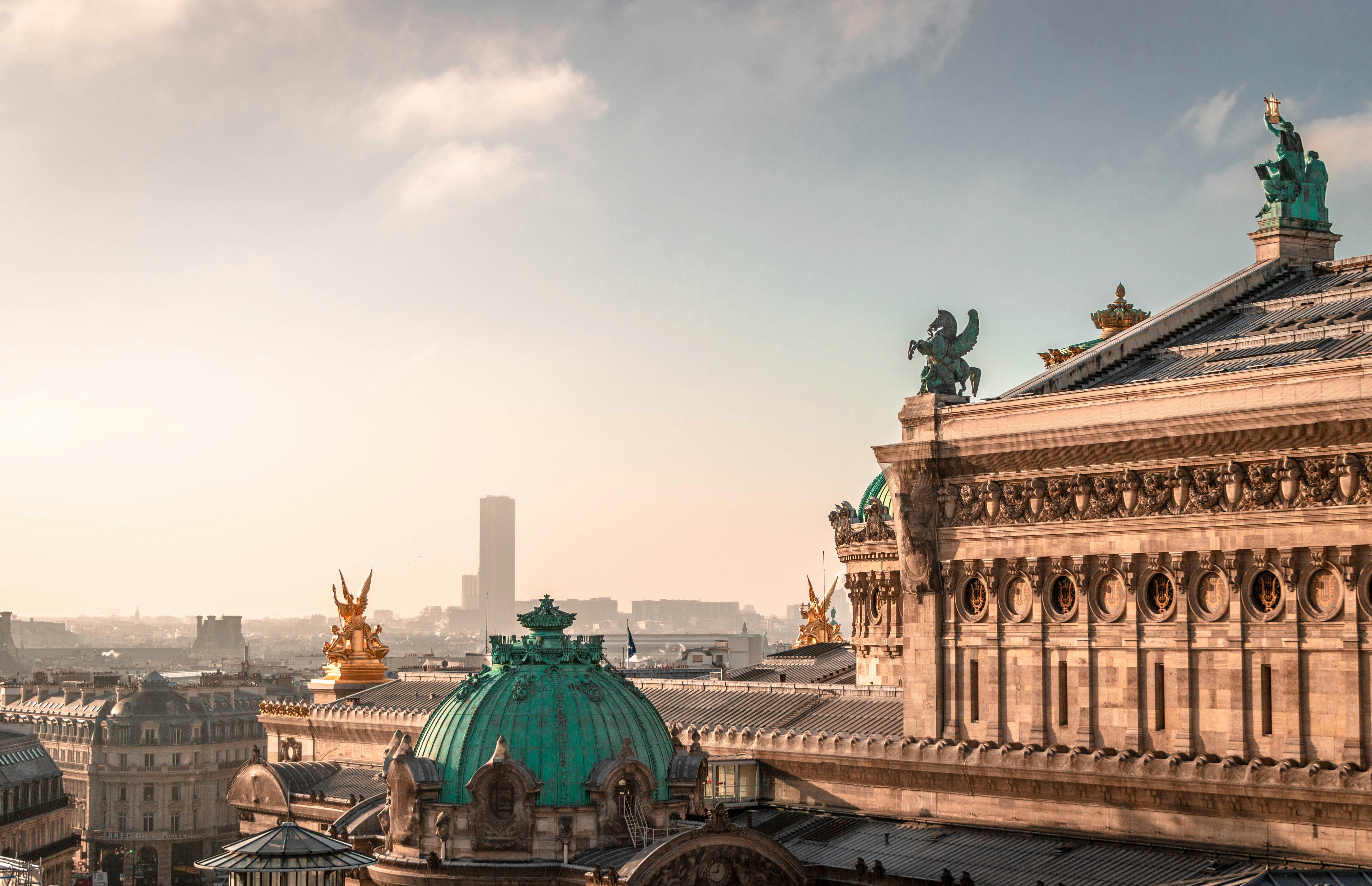
Photo by Louis Paulin on Unsplash.
Montmartre (18th) — Is It Charming or Overrated?
Montmartre is located on the Right Bank in the 18th arrondissement, in the northern part of Paris, just above South Pigalle and bordering the 9th. It sits on a hill, which gives it a very distinct layout — and some of the best views in the city — but also means a lot of stairs and uphill walking in daily life. Transportation can be slightly less convenient compared to more central areas, especially the higher up you are.
It’s undeniably touristy, particularly around Sacré-Cœur and Place du Tertre, where crowds can be constant. However, beyond those main spots, Montmartre still feels like a small village within Paris. Cobblestone streets and quiet squares give it a unique charm. If you stay on quieter streets, especially on the western side or slightly away from the main attractions, it can feel surprisingly peaceful.
That said, the exact location matters a lot. Areas closer to Boulevard de Clichy or at the base of the hill can feel busier and less pleasant, while some parts toward the back of Montmartre (closer to the northern edges of the 18th) can feel more disconnected and less appealing. It’s very much a neighborhood where a few streets can change the experience entirely.
In terms of housing, buildings are typically older and low-rise, often without elevators. Apartments can be full of character with a great view of Paris — but may be less practical in terms of space and accessibility. Prices are on the higher side, mainly because demand is strong and there’s not much available — especially for well-located apartments.
Overall, Montmartre is more about atmosphere than convenience. It’s a great option if you’re looking for something unique and don’t mind trading a bit of practicality for charm.
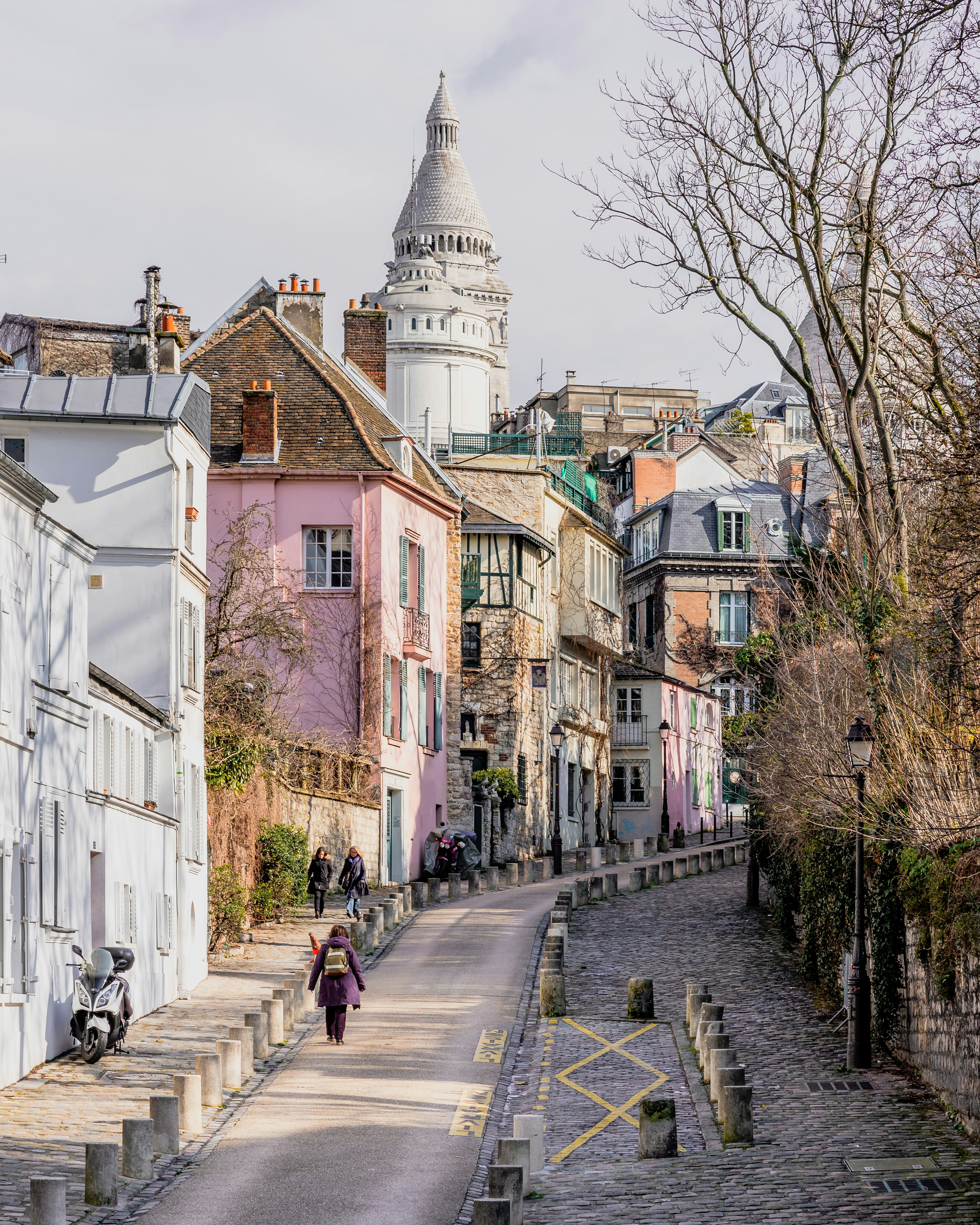
Photo by Jeff Frenette on Unsplash.
If You Already Know Paris: Where Should You Live?
Oberkampf (11th)
Oberkampf is located on the Right Bank in the 11th arrondissement, just east of central areas like the Marais (3rd/4th) and north of Bastille. It’s well connected by metro (lines 5, 9, and 3 nearby), which makes it easy to reach the rest of the city while still feeling slightly removed from the more touristy neighborhoods.
It’s one of the liveliest nightlife areas in Paris, known for its bars, live music venues, trendy restaurants, cafés, and younger, creative crowd. During the day, it feels more residential and low-key, but the atmosphere shifts in the evening when the streets fill up. It’s not particularly picturesque or “classic Paris,” but it feels very real and unpolished compared to more central areas.
In terms of housing, buildings are a mix of older, simpler Parisian apartments and more modern renovations. You’ll generally get slightly better value and more space than in central neighborhoods, though layouts can still be compact. Noise is definitely something to consider — some streets stay busy late into the night, especially on weekends.
Overall, Oberkampf is a good fit if you want energy, social life, and a more local feel. It’s less about aesthetics and more about lifestyle — ideal if you enjoy going out and don’t mind a bit of noise.
Bastille (11th & 12th)
Bastille sits on the Right Bank, at the intersection of the 11th and 12th arrondissements, just east of the Marais and along the Seine. It’s a very central area, but it feels more local and less polished than neighborhoods closer to the historic core. With several metro lines (1, 5, and 8), it’s also one of the most convenient places to get around the city.
The Bastille neighborhood has a lively, everyday energy. It’s busy and diverse, with a strong food scene — especially around Marché d’Aligre, one of the best open-air markets in Paris. You’ll find a mix of wine bars, casual restaurants, and neighborhood cafés that people actually go to regularly. It’s active without being overwhelming, which makes it easy to settle into a routine.
Housing here is varied, with a mix of older buildings and more modern developments, especially toward the 12th arrondissement. Apartments can be slightly more spacious than in the Marais, though still competitive and not necessarily cheap. Some streets around the main Bastille square can be noisy, but quieter areas exist just a few blocks away.
Overall, Bastille is a very good choice — central, well connected, and genuinely livable. It’s a great option if you enjoy going out and a lively neighborhood.
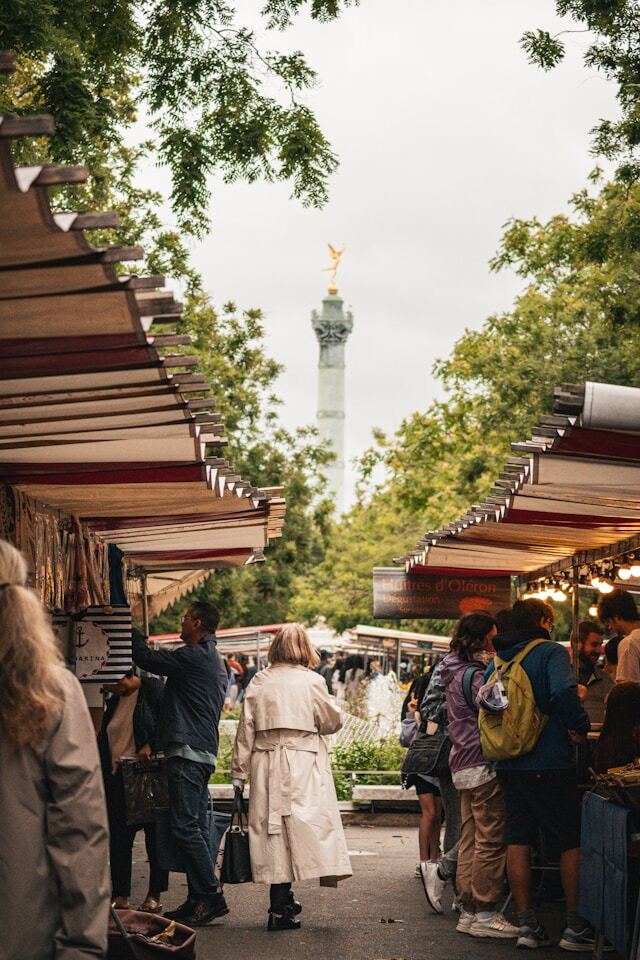
Photo on Unsplash.
Charonne (20th) — What Does “Real Paris” Feel Like?
Charonne feels more like a small village than part of a major capital city — and it’s where you really start to feel local Parisian life. Located on the Right Bank in the 20th arrondissement, in the eastern part of Paris, it’s not far from Bastille and the 11th, but with a very different atmosphere. It’s less central and takes a bit longer to reach major landmarks, but it’s still well connected by metro (lines 9 and 2 nearby), so getting around remains manageable.
The streets are quieter here, with independent cafés, local bakeries, and a slower, more residential pace of life. You won’t find many tourist attractions, but that’s exactly the point — you’re experiencing everyday Paris rather than a curated version of it.
Rent in Charonne is generally more affordable than in central neighborhoods, and you may find slightly more space for your budget. Buildings are a mix of older low-rise structures and more modern apartments, often with a less dense, more relaxed feel. It’s not the most polished area, but it’s comfortable and increasingly popular with people looking for a more local Parisian lifestyle.
Overall, Charonne is best suited if you’re planning to stay longer-term in Paris and want a quieter, more residential environment. It’s less about convenience and more about quality of daily life.
Canal Saint-Martin (10th)
Canal Saint-Martin is located on the Right Bank in the 10th arrondissement, just northeast of central Paris and not far from République and the Marais. It’s still relatively central, but feels more relaxed and local compared to the busier historic neighborhoods. With several metro lines nearby (3, 5, 8, 9, and 11), it’s easy to get around while enjoying a slightly slower pace of life.
It’s one of the most photogenic and trendy areas in the city. Locals gather along the canal for picnics and drinks, especially in the summer, and the neighborhood is filled with coffee shops, natural wine bars, trendy restaurants, and independent boutiques. It has a creative, slightly hipster vibe, but without feeling overly polished or pretentious. It’s the kind of place where people actually spend time outside, which isn’t always the case in Paris.
In terms of housing, buildings are a mix of older Parisian apartments and more modern renovations. Prices have increased significantly in recent years due to the neighborhood’s popularity, but it can still offer slightly better value than more central areas.
That said, the vibe can shift depending on where you are. The southern part near République is more lively and polished, while the northern end toward Stalingrad feels more mixed and less curated. It’s not necessarily a problem, but it’s something to be aware of when choosing a specific street.
Overall, Canal Saint-Martin is a great choice if you’re looking for a laid-back, social atmosphere with a strong local feel. It works especially well if you want a balance between central location and everyday livability.
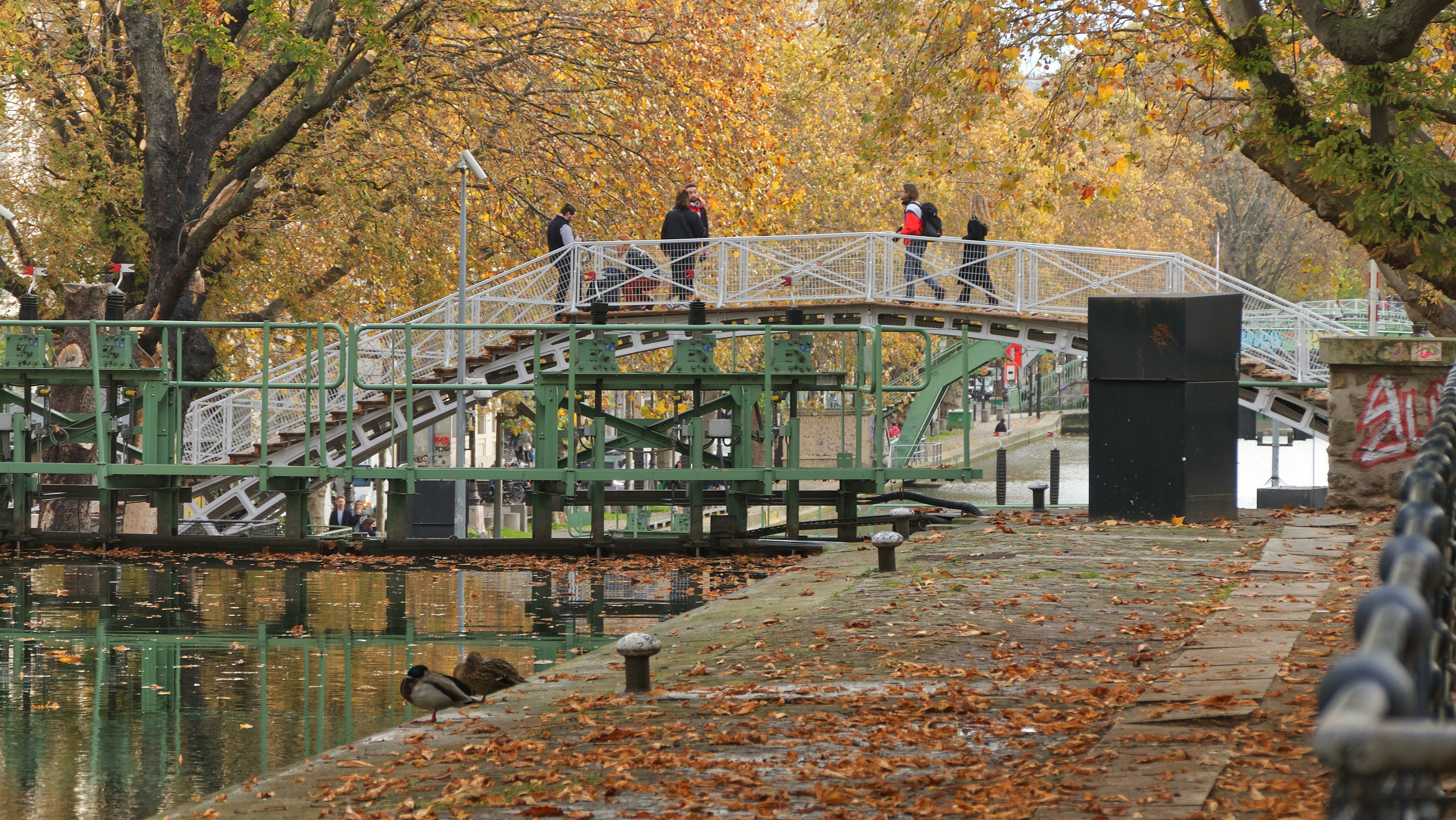
Photo by Pascal Bernardon on Unsplash.
South Pigalle / Martyrs (9th)
South Pigalle, often called SoPi, is located on the Right Bank in the 9th arrondissement, just below Montmartre and bordering the 8th and 18th. It’s a central area that feels slightly removed from the more tourist-heavy parts of the city, while still being very walkable and well connected by metro. You can easily walk up to Montmartre or down toward Opéra and central Paris, which adds to its convenience.
South Pigalle and the Rue des Martyrs area have become one of the best food neighborhoods in Paris. The street is lined with bakeries, cheese shops, wine stores, and specialty food shops, making it ideal if you enjoy eating well. The area is also home to well-known spots like Pink Mamma and Bouillon Pigalle — both very popular, though more on the trendy and touristy side compared to the smaller local places nearby.
The area feels lively but still local, with a good balance between residents and visitors. It has a slightly more modern, trendy energy than Saint-Germain, without feeling overly polished. That said, the vibe can change quickly depending on the street. It’s best to avoid staying too close to Pigalle itself or the lower part near Boulevard de Clichy, which can feel more touristy, noisy, and a bit chaotic at night. A few streets closer to Rue des Martyrs or further into the 9th make a big difference.
In terms of housing, buildings are mostly classic Parisian with some Haussmann-style apartments, often without elevators. Apartments can be compact and in high demand, especially on or near Rue des Martyrs. Prices are relatively high for the size, generally in the mid-to-upper range for Paris, reflecting the neighborhood’s popularity and central location.
Overall, South Pigalle is a great mix of convenience, lifestyle, and authenticity — especially if food is an important part of how you want to experience Paris day-to-day.
Batignolles (17th) — Is It Good for Families?
Batignolles has become a favorite among locals, especially young professionals and families. It has a village-like feel centered around Place des Batignolles, with a park, cafés, restaurants, and organic markets that make daily life feel easy and pleasant. It’s calm, green, and very livable — and notably not touristy — so it feels like a more authentic, everyday side of Paris.
Located on the Right Bank in the 17th arrondissement, in the northwest of Paris, Batignolles sits not far from the 8th arrondissement and areas like Monceau. It’s slightly removed from the busy city center, but still well connected by metro (lines 2, 13, and 14 nearby), making it easy to get around while enjoying a quieter environment.
In terms of housing, buildings are a mix of classic Haussmann-style apartments and newer developments, especially around the Clichy-Batignolles area. Apartments here tend to be a bit more spacious than in more central neighborhoods, although prices have risen in recent years as the area has become more popular.
Overall, Batignolles is a great option if you’re looking for a calm, residential neighborhood with a strong local feel, without being too far from the center.
Monceau (8th & 17th)
The Monceau area is located on the Right Bank, spanning parts of the 8th and 17th arrondissements, just west of central Paris and near areas like Saint-Augustin and Ternes.
The neighborhood is elegant and posh, built around the beautiful Parc Monceau. It’s less touristy than nearby areas, with wide boulevards and classic Haussmann buildings. The atmosphere is quiet and upscale, making it ideal if you prefer a more refined and residential setting.
Day-to-day life here is easy and comfortable, with good local shops, bakeries, and schools, though it’s not a neighborhood known for nightlife or trendiness. It’s more about stability and quality of life than energy or excitement.
In terms of housing, you’ll mostly find classic Haussmann apartments — often spacious, with higher ceilings and more traditional layouts. Many buildings have elevators, but prices are on the higher side given the location, space, and overall quality of the area.
Overall, Monceau is ideal if you’re looking for a quiet, refined, and residential neighborhood that’s still very central. It’s not the most dynamic part of Paris, but it’s one of the most comfortable to live in.
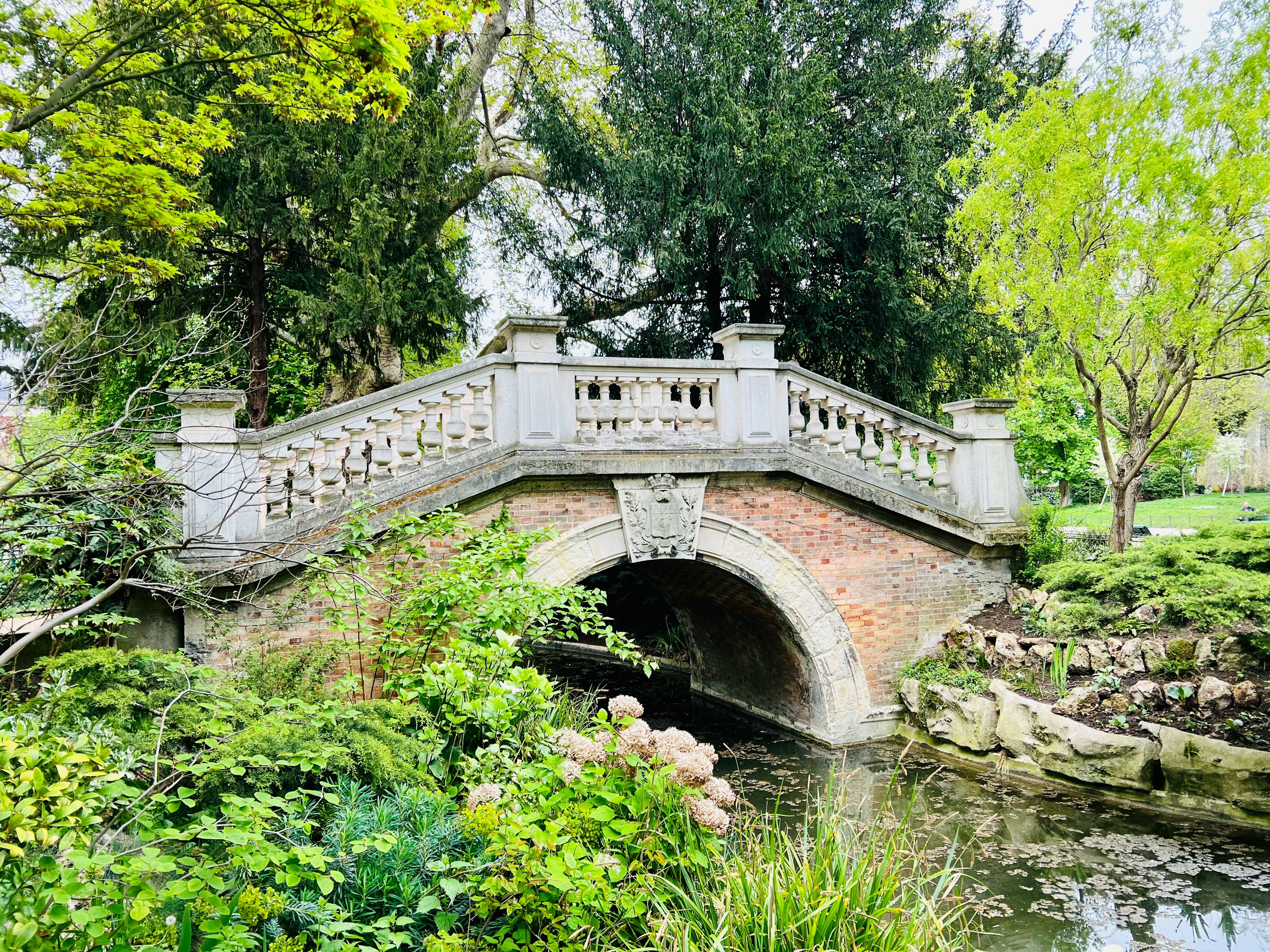
Photo on Unsplash.
Montparnasse (14th)
Montparnasse is located on the Left Bank in the 14th arrondissement, in the southern part of Paris, just below areas like Saint-Germain and the Latin Quarter. It’s slightly less central, but very well connected, with several metro lines (4, 6, 12, and 13) and the major Montparnasse train station (Gare Montparnasse), which is especially convenient if you travel to western France.
The area has a long artistic history — this is where many painters and writers lived in the early 20th century — but today it feels more practical than picturesque. It’s busy and functional. That said, it has everything you need: shops, supermarkets, cinemas, and some of the best crêperies in the city, especially around Rue du Montparnasse.
The atmosphere is more local and less touristy, with a mix of residents, office workers, and people passing through the station. It’s not the most beautiful part of Paris, but it’s easy to live in and very convenient for daily life.
In terms of housing, buildings are a mix of older apartments and more modern constructions, often with elevators and more practical layouts than in historic neighborhoods. Prices tend to be more reasonable compared to more central Left Bank areas, making it a good option if you’re looking for value and connectivity.
Alésia (14th)
Alésia is located on the Left Bank in the 14th arrondissement, in the southern part of Paris. It’s not a central area, but it’s well connected by metro (line 4), making it relatively easy to reach the rest of the city even if you’re commuting daily.
The neighborhood is quiet and residential, with a strong local feel. You won’t find major attractions here, but that’s part of the appeal — it’s all about everyday Parisian life, with local markets, bakeries, and small neighborhood shops. It’s the kind of area where people live, not visit.
In terms of housing, apartments are generally more affordable than in central neighborhoods, and you may get slightly more space for your budget. Buildings are a mix of older and more modern constructions, often with more practical layouts.
Overall, Alésia is a good option if you’re looking for a quieter, more local lifestyle and don’t mind being a bit further from the center in exchange for better value.
Gros Caillou (7th)
Gros Caillou is one of the most prestigious neighborhoods in Paris, located on the Left Bank in the 7th arrondissement, near the Eiffel Tower and Invalides. It offers a rare mix of central location and residential calm, making it especially attractive for families and those looking for a quieter, more refined lifestyle.
The streets are peaceful, with local shops, bakeries, and a strong neighborhood feel. You’re within walking distance of major landmarks like the Eiffel Tower, the Seine, and Les Invalides, but without being constantly surrounded by crowds. It’s a very polished, posh area that feels safe, well-maintained, and easy to live in.
In terms of housing, buildings are mostly classic Parisian, often very well maintained, with a mix of historic charm and modern updates. Apartments are in high demand and tend to be expensive, reflecting the location, quality of life, and overall prestige of the neighborhood.
Overall, Gros Caillou is ideal if you want to live in a central, elegant part of Paris that remains calm and residential. It’s particularly well suited for families or anyone looking for comfort, safety, and a more upscale environment.
Passy (16th)
Passy is located on the Right Bank in the 16th arrondissement, in the western part of Paris, just across the Seine from the Eiffel Tower and near areas like Trocadéro. It’s slightly farther from the city center, but still well connected by metro (lines 6 and 9 nearby), making it easy enough to get around while enjoying a quieter environment.
The neighborhood feels almost suburban compared to the rest of Paris, with wider streets, upscale shops, and a calm, residential atmosphere. It’s known for being very safe, clean, and well maintained, with a more traditional, affluent feel. Some areas also offer beautiful views of the Eiffel Tower, especially closer to the Seine.
Day-to-day life here is comfortable and convenient, with high-quality food shops, markets, and schools, which is why it’s particularly popular with families and long-term residents. However, it lacks nightlife and the energy you’ll find in more central neighborhoods.
In terms of housing, buildings are mostly Haussmannian and Art Deco, often spacious and well maintained, with elevators and more practical layouts compared to older central areas. Apartments here tend to offer a bit more comfort and space, but prices are high, reflecting the neighborhood’s reputation, quality of life, and overall prestige.
Overall, Passy is ideal if you’re looking for a quiet, safe, and upscale environment. It’s less about city buzz and more about comfort, space, and a slower pace of life.
Convention (15th)
Convention is one of the most underrated neighborhoods in Paris. It’s modern, spacious, and very local, with wide streets and fewer tourists. It's located on the Left Bank in the 15th arrondissement, in the southwest of Paris, not far from Montparnasse and the Seine. It’s not a central or touristy area, but it’s well connected by metro (line 12 and others nearby), making it easy to reach the rest of the city.
You won’t find major attractions here, but you will find a comfortable, authentic Parisian environment — markets, bakeries, supermarkets, and a steady, residential rhythm. It’s a great option for longer stays or travelers who prefer a quieter base.
In terms of housing, buildings are often more modern, with elevators and more functional layouts, and apartments can feel slightly more spacious compared to central neighborhoods. Prices are generally more reasonable for the space, which makes it appealing if you’re looking for value.
Overall, Convention is a solid choice if you want a quiet, local, and practical place to live, especially for longer stays. It’s not the most exciting part of Paris, but it’s one of the easiest to live in day-to-day.
Where to Avoid (or Think Twice About)
Around Gare du Nord & Gare de l’Est
The areas immediately surrounding these major train stations can feel chaotic, crowded, and less pleasant, especially at night. While they’re not inherently dangerous, they tend to have more pickpocketing and a less relaxed atmosphere. If you stay a few blocks away toward Canal Saint-Martin, the experience improves significantly.
Barbès, La Chapelle, Stalingrad (Northern 18th & 19th)
Barbès, La Chapelle, and Stalingrad are vibrant and culturally rich but can feel gritty and unfamiliar to many visitors. They’re not designed for tourism, and some areas can feel slightly uncomfortable at night. Unless you know Paris well, they’re not the easiest places to stay for foreigners.
Edges of Outer Arrondissements
The far edges of the 19th, 20th, and parts of the 13th can be quite far from central attractions, meaning longer commute times and less convenience. While perfectly fine for locals, they’re not ideal for foreigners.
Champs-Elysées Area
Despite its fame, the Champs-Elysées area is often disappointing as a place to stay. It’s crowded, expensive, and filled with chain stores rather than authentic Parisian life. The ambiance can also be slightly uncomfortable at night. It’s worth visiting for your first time in Paris, but not necessarily staying there.
Final Thoughts
If you’re moving to Paris, your first neighborhood doesn’t have to be perfect — it just has to make your life easier. Staying relatively central at the beginning can help you get your bearings, understand how the city works, and figure out what kind of lifestyle suits you. From there, it’s very common to move again once you know your preferences better.
Paris isn’t one uniform city — it’s a collection of very different neighborhoods, each with its own pace, atmosphere, and way of life. Where you live will shape your daily routine more than anything else, from your commute to where you shop and how you spend your time.
The key is to choose a neighborhood that fits how you actually want to live — not just what looks good on paper.
Editor: Siyi CHEN