Best Arrondissements in Paris for Expats (2026 Guide)
When expats ask, “Where should I live in Paris?” what they’re really asking is:
Will I actually enjoy my daily life here?
Choosing the right arrondissement matters more than ever. Hybrid work has changed commuting priorities, Paris transport has improved for north–south travel, and more expats are settling long-term instead of moving neighborhoods every year.
Paris is still romantic — but it’s also practical, routine-driven, and deeply neighborhood-specific.
This guide breaks down the 20 arrondissements of Paris, focusing on lifestyle, who each area suits best, and commuting — not just how it looks on a map — to help you choose the neighborhood that truly fits your life as an expat.
1st Arrondissement – Louvre / Palais-Royal
Lifestyle:
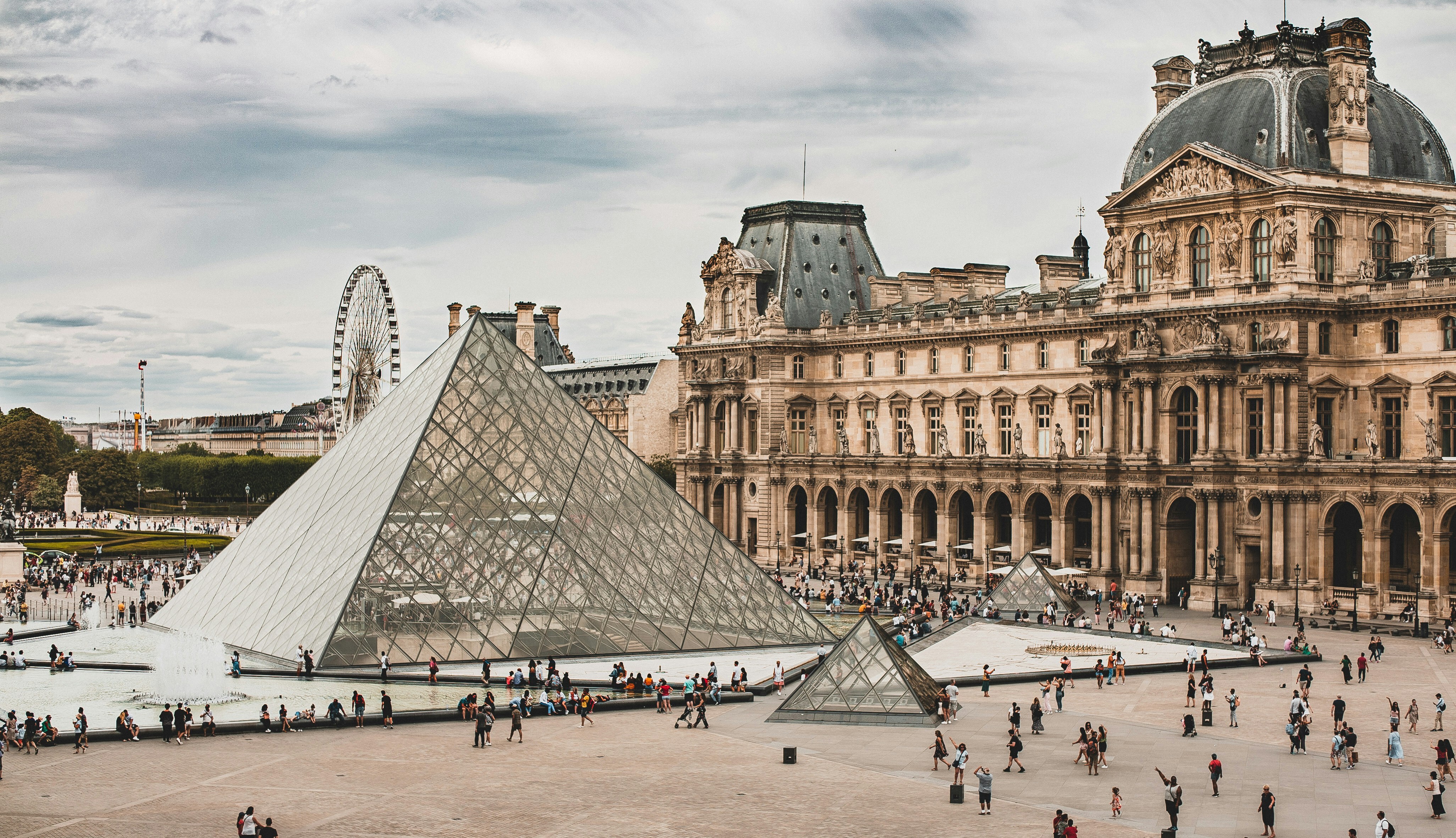
Living in the 1st arrondissement means being right in the center of Paris, but it’s not only for tourists as people often assume. Yes, the Louvre and Palais-Royal attract huge crowds during the day, but the neighborhood also has a real local Parisian side that becomes more noticeable once daytime visitors leave.
In the evenings, the atmosphere shifts rather than disappears. Streets like Rue de Richelieu and Rue Sainte-Anne stay lively thanks to their restaurant scene. This area is especially known for Japanese and other Asian dining and attracts locals who come here specifically to eat, not sightsee.
Other parts of the 1st — especially closer to the Seine or on smaller side streets — are much quieter and can feel surprisingly residential.
One of the biggest advantages of living in the 1st is walkability. You can easily walk to the Marais, cross to the Left Bank, or get to Opéra without thinking twice. Public transportation is equally convenient, with quick access to metro lines 1, 7, and 14, and nearby RER connections.
Who it suits
The 1st is ideal for expats who want to live in the heart of Paris and enjoy culture (museums, exhibitions) and a walk-everywhere lifestyle. It suits solo expats and couples who value location and convenience over space and quiet.
Commute
The 1st has some of the best transport connections in Paris. You’re close to major hubs like Châtelet–Les Halles (metro lines 1, 4, 7, 11, 14, and RER A, B, D), making most parts of Paris — and business areas like La Défense — easy to reach, often without changes.
2nd Arrondissement – Montorgueil / Bourse
Lifestyle
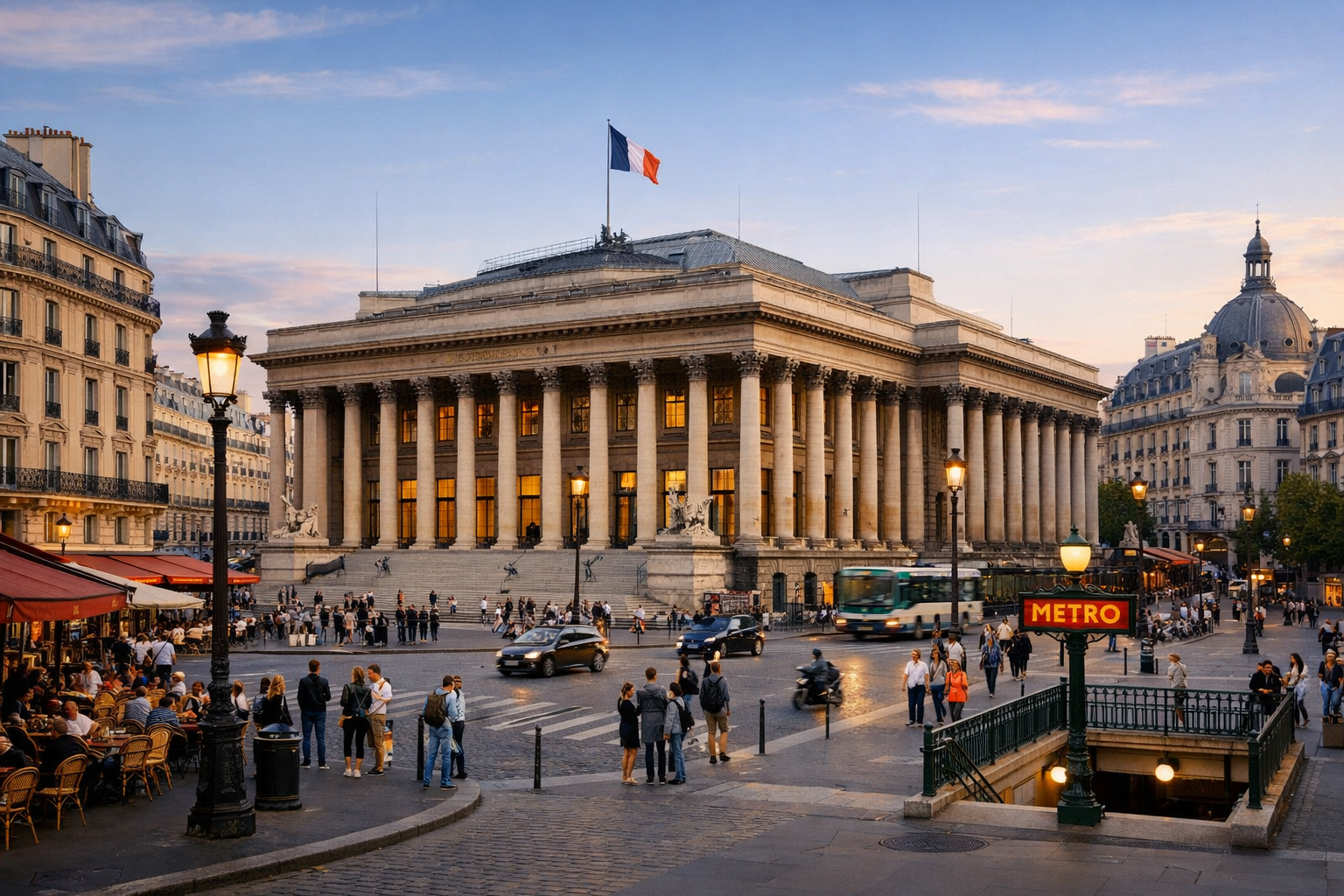
The 2nd arrondissement is the smallest district in Paris, but it’s also one of the most compact and livable central neighborhoods, especially for expats. Everything feels close. Grocery shopping, grabbing lunch, or meeting friends for dinner can all happen within just a few blocks, which makes daily life unusually easy for such a central location.
Streets around Montorgueil are active from morning to night. Rue Montorgueil itself is a pedestrian-friendly food street, with bakeries opening early, cafés staying busy throughout the day, and restaurants full in the evenings. It’s social, practical, and very local, despite being right in the city center.
The Bourse side of the arrondissement feels slightly quieter and more business-oriented during the day. This area is home to many tech companies, startups, and digital agencies, which gives it a professional weekday rhythm. In the evenings, it calms down and feels more residential.
Around Sentier, the vibe shifts again. Long known for its textile and fashion businesses, the area still has many fabric and clothing shops today. At the same time, Sentier has become one of Paris’s startup hubs, bringing in trendy restaurants, cafés, and casual spots that stay busy well into the evening. The mix of old-school wholesale shops and modern food spots gives the neighborhood a very distinct character.
Overall, one of the things expats appreciate most about the 2nd arrondissement is how practical it is. You’re close to offices, coworking spaces, and everyday services, while still being surrounded by good food, lively cafés, and classic Paris architecture.
Who it suits
The 2nd arrondissement is a great fit for first-time expats, especially those working in tech, startups, or digital roles. It works well for single professionals, couples, or anyone looking for an easy transition into Paris life, with a central location and a very manageable daily rhythm.
Commute
Transportation in the 2nd is excellent. The arrondissement is well connected without relying on a single major station. You have easy access to metro lines 3, 4, 8, and 9 via stations like Sentier, Bourse, Réaumur–Sébastopol, and Strasbourg–Saint-Denis. Many expats walk to work, and most metro rides across central Paris take around 15–25 minutes.
3rd Arrondissement – Haut Marais
Lifestyle
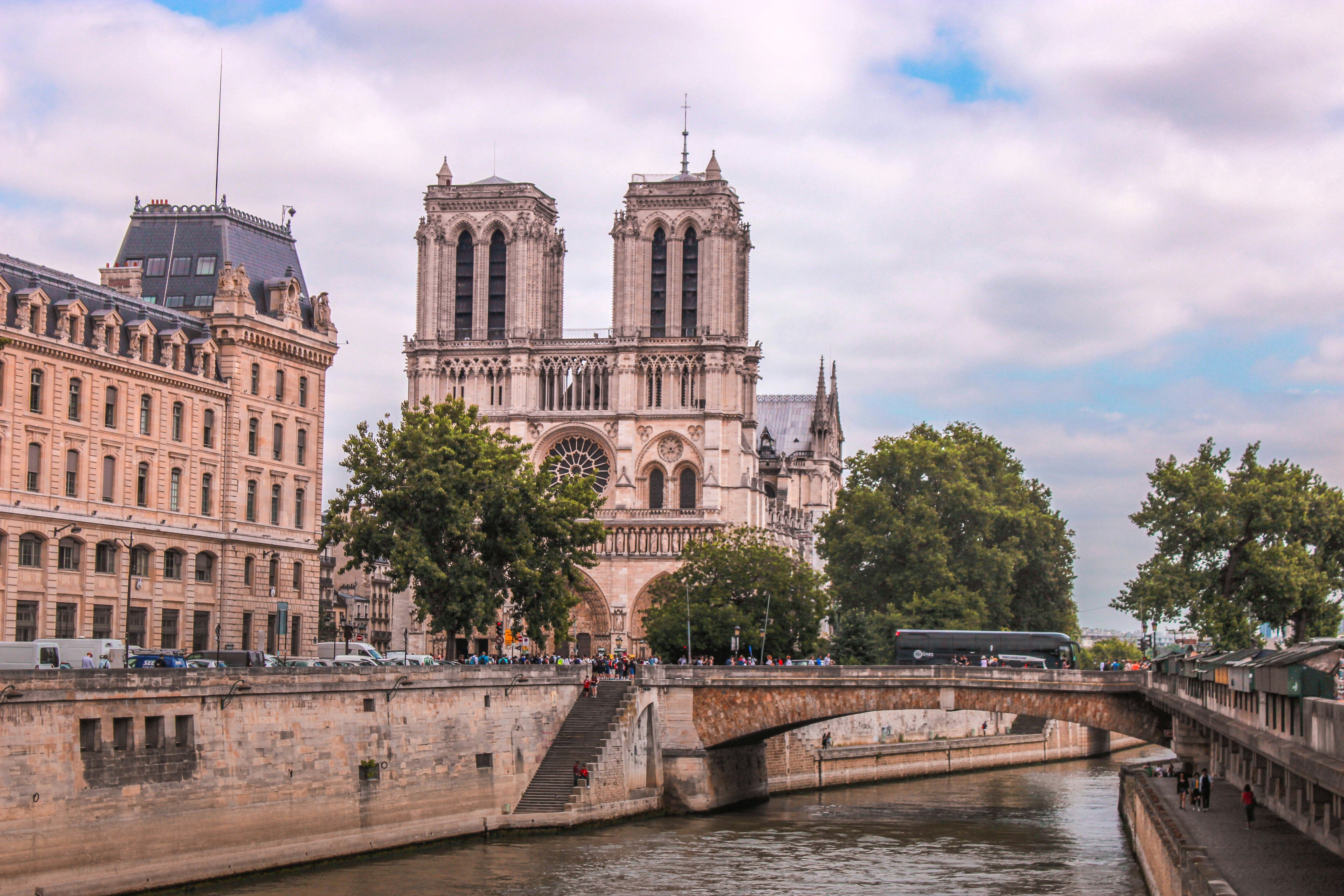
The 3rd arrondissement, often called the Haut Marais, feels like a calmer, more residential version of the Marais. It offers the same historic architecture, galleries, independent boutiques, and good restaurants, but with fewer crowds and a slower pace. The neighborhood is lively during the day and stays pleasantly active in the evenings without turning into a nightlife area.
Arts et Métiers is a key part of the 3rd’s identity. The area is home to one of Paris’s oldest Chinese communities, largely from Wenzhou. Around Rue au Maire and Rue Volta, you’ll find Asian grocery stores and authentic Chinese and Asian restaurants, adding a practical and multicultural layer to daily life.
The rest of the arrondissement has a strong design and creative presence, with small museums, galleries, designer shops, and cafés throughout. Compared to the 4th arrondissement, the 3rd feels more residential and less tourist-driven, which is why many expats stay here long term.
Who it suits
The 3rd suits expats who want a central, stylish neighborhood without constant crowds. It’s a good fit for creatives, designers, remote workers, and professionals who enjoy culture and good food but prefer calm evenings over nightlife.
Commute
Getting around from the 3rd district is easy and flexible. Nearby stations include Arts et Métiers (lines 3 and 11), Temple (line 3), République (lines 3, 5, 8, 9, and 11), and Saint-Sébastien–Froissart (line 8). Most commutes across central Paris take 15–25 minutes, and walking is often just as convenient.
4th Arrondissement – Le Marais / Île Saint-Louis / Île de la Cité
Lifestyle
The 4th arrondissement is one of the trendiest parts of Paris, and some areas are undeniably touristy. Streets near major landmarks like Hôtel de Ville, Notre-Dame, and parts of Le Marais can be busy during the day. That said, living here isn’t just about tourism. Once you move a block or two away from the main sights, the neighborhood feels much more local and residential.
Le Marais is lively and social, with shopping streets, cafés, galleries, and museums during the day, and restaurants and bars keeping the area active in the evenings. It’s also a very international neighborhood, with a large expat community and a mix of cultures that shape daily life.
Île Saint-Louis offers a quieter, village-like atmosphere, with elegant streets and a strong residential feel. Île de la Cité, home to landmarks like Notre-Dame, Sainte-Chapelle, and the Conciergerie, is busy during the day but becomes surprisingly calm at night once offices and visitors leave. There are fewer everyday shops here, but the evening quiet is unusual for such a central location.
The 4th is also home to one of Paris’s historic Jewish neighborhoods, centered around Rue des Rosiers. It’s known for its bakeries, delis, bookstores, and kosher restaurants.
Overall, the 4th is a mix of energy and calm. Some streets are busy and tourist-heavy, while others feel almost residential. It’s a neighborhood with strong character, history, and daily life happening side by side.
Who it suits
The 4th district is a great choice for expats who want to feel fully immersed in Paris life. It suits social, culture-oriented people who enjoy walking everywhere and living in a historic setting. The neighborhood is very international and popular with expats, including many LGBTQ+ residents and first-time arrivals. If you value location and character over space and don’t mind some crowds, the 4th can be an excellent fit.
Commute
The 4th district is extremely central and easy to get around from, even on foot. Nearby metro stations include Saint-Paul (line 1), Hôtel de Ville (lines 1 and 11), Pont Marie (line 7), and Cité (line 4), making most parts of Paris easy to reach on foot or by a short metro ride.
5th Arrondissement – Latin Quarter
Lifestyle
The 5th arrondissement, known as the Latin Quarter, is one of the oldest parts of Paris. It was originally built during Roman times, and today it’s still shaped by major universities like the Sorbonne. The atmosphere is intellectual but still down-to-earth, with students, professors, and families all sharing the neighborhood.
During the day, cafés are busy with people reading, studying, or working. In the evening, most of the area quiets down and feels residential. Some streets near Saint-Michel and Rue de la Huchette can get noisy at night, especially on weekends, but those spots are easy to avoid if you want something calmer.
One of the best parts of daily life in the 5th district is Rue Mouffetard, a lively Paris market street lined with produce stands, bakeries, cheese shops, and casual restaurants. It’s where many locals do their everyday shopping and gives the neighborhood a real community feel.
Green space is another advantage. Jardin des Plantes is nearby and widely used by residents for walks, jogging, and family time, along with several smaller neighborhood squares.
Who it suits
The 5th district is a great fit for academics, students, and researchers, but it’s also very family-friendly. There are many well-regarded public and private schools, which is why families choose to settle down here. It’s a good fit if you value education, culture, and a stable neighborhood environment.
Commute
Commuting from the 5th district is convenient. RER B from Luxembourg or Saint-Michel–Notre-Dame makes airport trips easy, and metro lines 7 and 10 connect you quickly to the rest of the Left Bank and central Paris. However, east–west and Right Bank trips often require a transfer, since metro coverage is more limited than in larger hub areas.
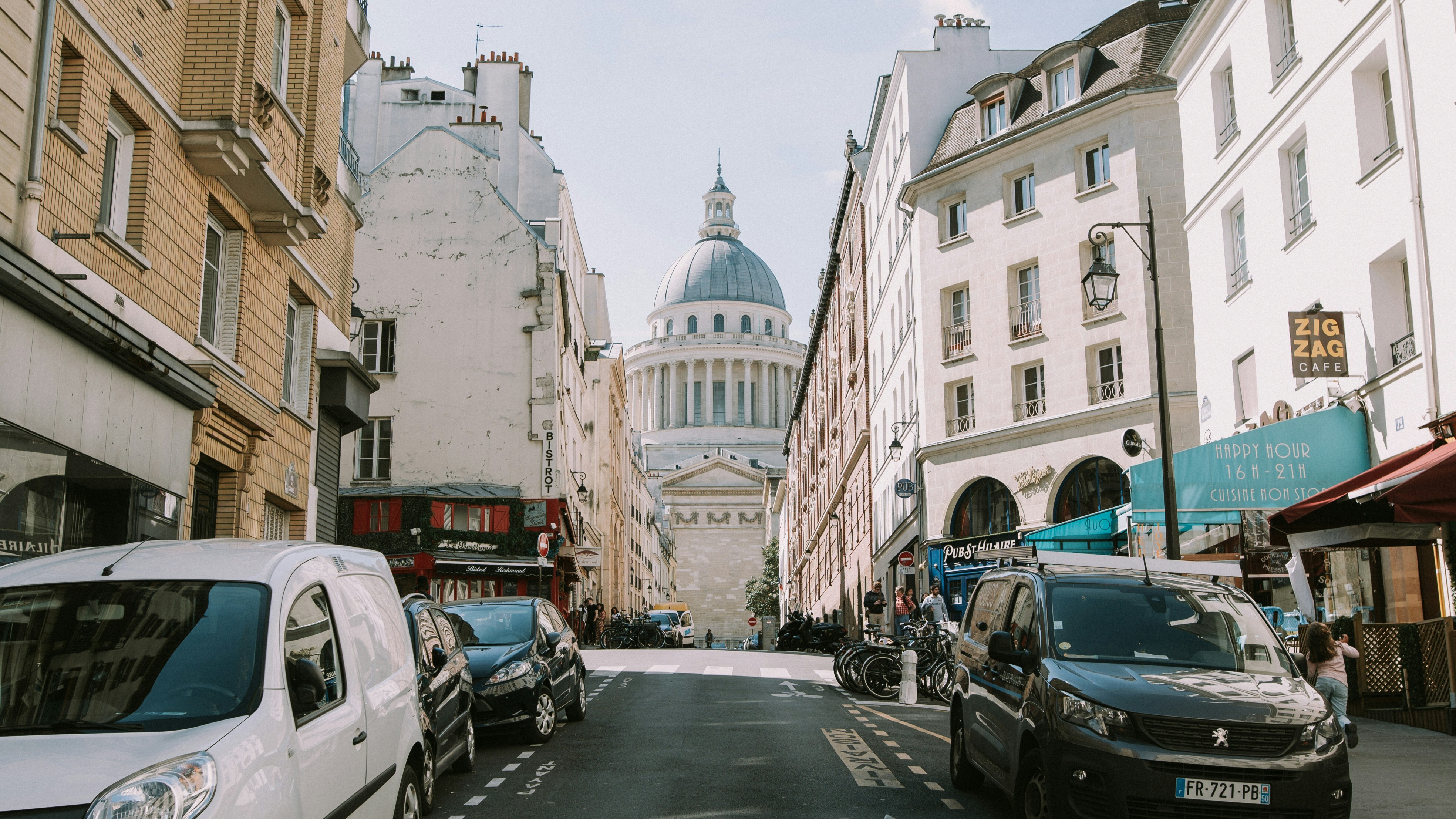
6th Arrondissement – Saint-Germain-des-Prés
Lifestyle
The 6th arrondissement sits at the heart of the Left Bank and is known for its elegant, calm, and polished atmosphere. It’s one of the most beautiful parts of Paris, especially around Luxembourg Gardens, where many locals go daily for walks, reading, or spending time with family.
Daily life in the 6th feels chic, stable, and comfortable. You’ll find good bakeries, food shops, bookstores, and pharmacies all within walking distance, and very little late-night noise. Even though Saint-Germain-des-Prés is famous and draws visitors—especially around Café de Flore—the neighborhood rarely feels hectic.
The 6th also has deep literary and cultural roots, and that classic Left Bank intellectual tradition is still part of everyday life. It’s not trendy or experimental, but it’s consistently pleasant, well-maintained, and easy to live in.
Who it suits
The 6th is a great choice for professionals, families, and expats who want a calm, high-quality lifestyle in a very central part of the Left Bank. It works well if you like quiet streets but still want cafés, shops, and restaurants nearby. It’s especially appealing if you’re looking for something refined and easy rather than lively or edgy.
Commute
Commuting from the 6th is simple and efficient, especially for Left Bank offices. You’re close to Saint-Germain-des-Prés (line 4), Odéon (lines 4 and 10), Mabillon (Line 10), and RER B at Luxembourg. Most central destinations are a short ride away, and many residents choose to walk instead. However, the only downside is that trips to the Right Bank or outer areas often require a transfer.
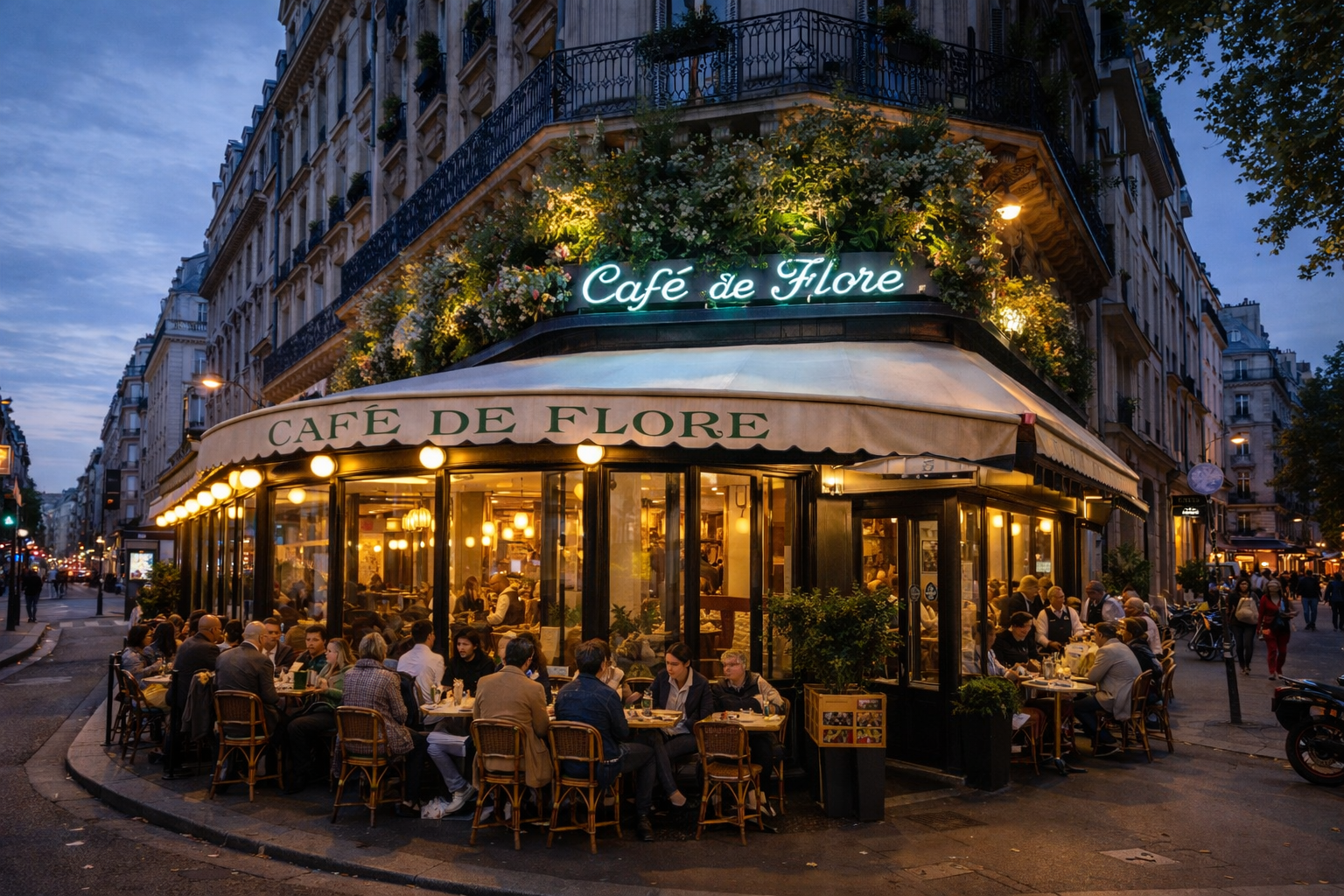
7th Arrondissement – Eiffel Tower / Invalides
Lifestyle
The 7th arrondissement is mostly residential, quiet, and very polished. Much of it is classic Haussmann-style architecture, with wide streets and elegant buildings that feel traditional and refined. Areas right next to the Eiffel Tower can be busy during the day, but just a few streets away the neighborhood quickly becomes calm and local.
The 7th district has few large supermarkets, so most daily shopping is done in smaller specialty and produce shops. Rue Cler, in particular, has a village-like feel, with food shops, bakeries, cheese stores, produce stands, cafés, and restaurants.
The 7th is also a major administrative and diplomatic district, home to many ministries and embassies, which adds to its orderly, secure atmosphere.
There are several international and bilingual schools nearby, such as EIB Grenelle, making it popular with expat families.
The main downside is cost. Because the 7th is both central and prestigious, rents and property prices tend to be high. The neighborhood isn’t trendy or creative, but that’s part of its appeal.
Who it suits
The 7th is a great option for families, diplomats, and expats who prefer calm, residential living in a central location. It suits people who value peace, high-quality local shops, and a more traditional Parisian lifestyle, and who don’t need nightlife or constant activity nearby.
Commute
Commuting from the 7th district is reliable and straightforward. You have access to École Militaire (line 8), La Tour-Maubourg (line 8), Invalides (lines 8 and 13, plus RER C), and Solférino (line 12). However, there are fewer metro lines than in other central areas, which can make some commutes less direct.
8th Arrondissement – Champs-Élysées / Madeleine
Lifestyle
The 8th arrondissement feels polished, upscale, and very business-oriented, with wide Haussmann boulevards, luxury boutiques, flagship stores, and large office buildings. During the workday, areas around Champs-Élysées, Madeleine, and Saint-Augustin are full of professionals heading to work or grabbing lunch. By early evening, the pace drops quickly as offices close.
One downside is that the 8th district doesn’t feel very local. Parts of the arrondissement—especially around the Champs-Élysées—are quite touristy, and there’s less of a neighborhood rhythm compared to other areas of Paris. There are fewer everyday shops like local markets or small grocery stores.
That said, just behind the main avenues, you’ll find smaller streets with good, casual cafés and restaurants that cater to office workers. Closer to Parc Monceau, the area becomes calmer and slightly more residential, with more breathing room than the business-heavy sections.
Who it suits
The 8th is a good fit if you work in finance, luxury, or a corporate role nearby and want a short, simple commute. It works well if you like things efficient and polished and don’t mind living in an area that feels more business-oriented than residential.
Commute
One of the biggest advantages of the 8th is how easy it is to get around. You’re close to Saint-Augustin (line 9), Miromesnil (lines 9 and 13), Madeleine (lines 8, 12, and 14), and Saint-Lazare, which connects multiple metro lines and regional trains. Getting across Paris—or out to business hubs like La Défense—is fast and straightforward.
9th Arrondissement – Opéra / Grands Boulevards / South Pigalle (SoPi)
Lifestyle
The 9th arrondissement is central, lively, and very social. It’s one of the best areas in Paris for shopping, with major department stores like Galeries Lafayette and Printemps, plus plenty of smaller shops throughout the neighborhood. Daily life here is busy and energetic, and the area rarely feels quiet.
The atmosphere changes depending on where you are. Around Opéra and the Grands Boulevards, the neighborhood feels more business-oriented and touristy, especially during the day, with offices, theaters, and shoppers moving through. In South Pigalle (SoPi), the energy shifts toward nightlife, with bars, casual restaurants, and a younger crowd filling the streets in the evenings.
Some other parts of the 9th district can be more local and cozy. Rue des Martyrs is a good example. It is one of the most loved streets in the neighborhood, lined with food shops, bakeries, cafés, and casual restaurants, and it stays active from morning to night.
Overall, the 9th feels dynamic and full of life. There’s always something going on, and the area has a strong social and cultural scene with theaters, concert halls, and music venues. That said, this is not a calm neighborhood. Noise, crowds, and activity are part of daily life, especially in the evenings.
Who it suits
The 9th is a great fit for young professionals, couples, and expats who enjoy an active social life and being in the middle of things. It works well if you like shopping, restaurants, shows, and nightlife. If you’re looking for quiet streets or a very residential feel, the 9th is probably not the right choice.
Commute
Getting around from the 9th is very easy. You’re close to major hubs like Opéra and Saint-Lazare, with access to metro lines 3, 7, 8, 9, and 12, as well as regional trains from Saint-Lazare. Most commutes across Paris are quick and straightforward.
10th Arrondissement – Canal Saint-Martin
Lifestyle
The 10th arrondissement has evolved from up-and-coming to clearly bohemian and trendy. It’s known for its nightlife and food scene and has a creative, lived-in feel that stays active throughout the day and into the evening.
The arrondissement is full of contrasts. Some streets are lively and noisy, while others feel surprisingly residential.
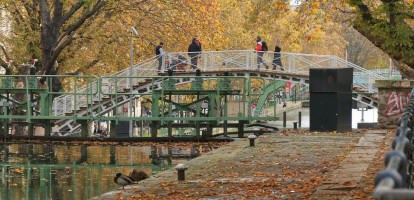
Around the Canal Saint-Martin, the atmosphere is relaxed and social, with plenty of small cafés, bars, restaurants, and independent shops. On warm days, people sit by the water with coffee or drinks, meet friends after work, or simply hang out.
Near Place de la République, the energy is more intense, with streets lined with popular bars and restaurants that stay busy most nights. Rue Sainte-Marthe, by contrast, offers a quieter, more creative atmosphere with art studios and small local shops.
Areas near Gare du Nord and Gare de l’Est can feel hectic during the day. Overall, the 10th is not a calm or elegant neighborhood—noise, crowds, and nightlife are part of everyday life—but it’s full of energy and character.
Who it suits
The 10th district is perfect for people in media, tech, and creative fields, as well as expats who want a real neighborhood feel. It’s a good fit if you like casual cafés, social evenings, and a less polished, everyday version of Paris. It also makes sense for people who travel or commute a lot, since Gare du Nord and Gare de l’Est—including Eurostar connections—are right nearby.
Commute
Getting around from the 10th is very convenient, especially if you travel often. You’re close to Gare du Nord and Gare de l’Est, which connect multiple metro lines (4, 5, 7), RER routes (B and D), and regional and international trains, including the Eurostar. Whether you’re commuting across Paris or heading out of the city, it’s usually quick and straightforward.
11th Arrondissement – Bastille / Oberkampf
Lifestyle
The 11th arrondissement is one of the trendiest and most social neighborhoods in Paris. There’s almost always something happening—new restaurant openings, busy bars, small concert venues, and packed terraces—especially around Bastille, Oberkampf, and Rue de Charonne. It’s lively without feeling touristy, and most of the energy comes from locals.
What works surprisingly well here is the balance. Main streets can get busy and noisy at night, but just a few blocks away, residential streets are much quieter. Many people live on calm side streets and walk a short distance to go out, which makes the area more livable than you might expect.
Food is a huge part of daily life in the 11th district. The neighborhood is known for its modern, casual fine-dining scene, with chef-driven restaurants, trendy bistros, and constantly changing openings. It’s creative, current, and still relatively affordable by Paris standards.
Who it suits
The 11th is a great fit for extroverts, food lovers, and expats who enjoy being out and around people. It works especially well for young professionals and anyone who wants an active social life right outside their door. If you’re looking for calm or a polished atmosphere, this probably isn’t the right neighborhood.
Commute
Getting around from the 11th district is easy thanks to strong metro coverage. You’re close to Bastille (lines 1, 5, and 8), Oberkampf (lines 5 and 9), Voltaire (line 9), and Ledru-Rollin (line 8), making it simple to get across Paris.
The main downside is that there’s no major train or RER hub in the arrondissement, so trips to the airports or outside Paris usually require a transfer.
12th Arrondissement – Gare de Lyon / Bercy
Lifestyle
Life in the 12th arrondissement feels calmer and more residential than many central Paris neighborhoods. Streets are generally wider and quieter, with fewer tourists and very little nightlife. The overall atmosphere is practical and relaxed, with a strong local feel rather than a trendy one.
One of the 12th’s biggest advantages is access to green space. The Promenade Plantée (Coulée Verte) runs through the arrondissement and is used daily by locals for walking, jogging, or just getting some fresh air. Just to the east, the Bois de Vincennes offers even more space and feels almost suburban compared to central Paris.
Around Bercy, the vibe shifts slightly. You’ll find newer developments with modern buildings, offices, cinemas, and Bercy Village, where former wine warehouses have been turned into shops, cafés, and restaurants. This area feels more contemporary but still easygoing.
Overall, the 12th district is quite varied. Areas closer to Bastille are busier and more urban, while neighborhoods farther east are quieter and more family-oriented. It’s not flashy, but it’s comfortable and well-balanced.
Who it suits
The 12th district is a great choice for people who value space, greenery, and a calmer pace of life while still living within Paris. It’s especially popular with families, couples, and professionals looking for a residential neighborhood with easy access to parks like the Bois de Vincennes.
Commute
Getting around from the 12th district is very convenient. Gare de Lyon is a major transport hub, with metro lines 1 and 14, RER A and D, and regional and high-speed trains connecting you across Paris and beyond. Other metro lines, including 6, 8, and 9, also serve the arrondissement. The only downside is that the 12th district is quite large, so depending on where you live, access to transport can be less direct and may involve a longer walk to the nearest station.
13th Arrondissement – Place d’Italie / Butte-aux-Cailles
Lifestyle
The 13th arrondissement is practical, diverse, and more affordable than most central Paris neighborhoods. It’s also far less touristy. This is a large district, and the vibe really depends on where you are.
Around Place d’Italie, the area feels busy and functional, with shops, offices, and residential buildings. Head over to Butte-aux-Cailles, and the mood changes completely. You’ll find small streets, low houses, local bars, and a quiet, village-like atmosphere that feels much more intimate.
The 13th is also known for its Asian influence, especially in the Asian quarter near Avenue de Choisy and Avenue d’Ivry. Food is a big part of everyday life here, with tons of affordable Asian restaurants, bakeries, and supermarkets that locals rely on.
Closer to the Seine, around Bibliothèque François Mitterrand, the neighborhood becomes more modern and open. Newer buildings, wide walkways, and fewer traditional Paris streets give this area a different feel, and it tends to be quieter, especially in the evenings.
Overall, the 13th is easy to live in. It may not have classic Paris charm everywhere, but it offers space, great food, and a strong sense of daily life.
Who it suits
The 13th is a great fit for students, families, and professionals who care more about space, food options, and everyday convenience than prestige or nightlife.
Commute
Getting around from the 13th is generally smooth. Metro lines 5, 6, 7, and 14 serve the arrondissement, with Place d’Italie acting as a major hub, and RER C and tram lines near the Seine adding extra options. The only downside is that the 13th is quite large, so depending on where you live, transport can be less direct and may involve longer walks or transfers, especially farther from Place d’Italie.
14th Arrondissement – Alésia / Montparnasse
Lifestyle
The 14th district is, for the most part, very calm and residential. It’s the kind of area where people know their local bakery, do their grocery shopping nearby, and keep a steady routine. Around Alésia and Denfert-Rochereau, everything feels local, practical, and easy.
Montparnasse is the exception. That part of the arrondissement is busier and more business-focused, with offices, theaters, and one of Paris’s main train stations. It’s lively during the day, then settles down once offices close.
One of the big highlights of the 14th is Parc Montsouris. It’s one of the nicest parks in Paris and a real part of daily life—people go there to walk, exercise, or just get some air. Nearby, you’ll even find small streets with houses instead of apartment buildings, which gives the area a real village feel and is pretty rare in Paris.
The 14th district isn’t trying to be trendy or flashy. It’s comfortable, well-organized, and easy to live in.
Who it suits
The 14th district is a great choice for people who want a calm, residential neighborhood with a cozy, local feel. It’s popular with families, couples, and professionals who value quiet streets, neighborhood shops, and green space over nightlife or trendiness.
Commute
Getting around from the 14th is generally straightforward. Denfert-Rochereau and Montparnasse are major hubs, with metro lines 4, 6, 12, and 13, plus RER B. Airport trips are easy—RER B goes straight to Charles de Gaulle, and Orly is quick to reach by Orlybus or through southern Paris.
The trade-off is that the arrondissement is fairly spread out. If you’re not close to one of these hubs, you may need a longer walk to the metro, and trips to the Right Bank can take a bit longer or require a transfer.
15th Arrondissement – Vaugirard / Commerce / Convention
Lifestyle
The 15th arrondissement is one of those neighborhoods where real life happens. It’s calm, residential, and very practical—definitely more about everyday routines than tourism or nightlife. Streets are generally quiet, and you’ll find plenty of bakeries, markets, supermarkets, and casual places to eat. It’s very family-friendly and feels stable.
Areas like Commerce and Convention are especially easy to live in. They have busy shopping streets, lots of local services, and everything you need close by. It’s not a trendy or creative hotspot like parts of eastern Paris, but in return you get more space, comfort, and a sense of normal daily life. Along the Seine, the neighborhood opens up a bit, with wider streets and river walks that make the area feel less dense.
Green space is part of everyday life here. Parks like Parc Georges-Brassens, Parc André Citroën, and Square Saint-Lambert are used daily for walks, kids’ activities, or just getting outside.
The 15th is also a big favorite with expat families thanks to its schools. ICS Paris – International School is located here, along with several bilingual and international programs nearby, which makes settling in much easier for families.
Overall, the 15th isn’t flashy or exciting—but it’s comfortable, well organized, and very easy to live in.
Who it suits
The 15th district is a great option for people who want a calm, residential neighborhood with everything close at hand. It’s especially popular with families and expats who care more about space, schools, and daily convenience than nightlife or trends.
Commute
Getting around from the 15th is generally easy, especially toward the Left Bank and western Paris. The downside is that trips to the east of Paris often take longer, since they usually require a transfer. In the southern part of the arrondissement, metro coverage is less dense, so depending on where you live, your commute may take longer.
16th Arrondissement – Passy / Victor Hugo / Auteuil
Lifestyle
The 16th arrondissement is one of the most prestigious areas in Paris. It’s known for its wide avenues, elegant Haussmann buildings, and very polished feel. This is a neighborhood favored by upper-class Parisians, expats, and diplomats, and it feels calm, secure, and well organized.
Each part of the 16th has its own personality. Passy is especially sought-after, with a village-like vibe, plenty of shops, cafés, and food markets, and a lively but refined local scene. Victor Hugo feels more formal and luxurious, with grand buildings and upscale boutiques. Auteuil, farther south, is quieter and more residential, with a slower pace and a strong family feel.
One of the biggest perks of living in the 16th is green space. The arrondissement sits right next to the Bois de Boulogne, one of the largest parks in Paris, offering tons of room for walking, sports, and outdoor activities. It gives the area a more open, almost suburban feel compared to central Paris.
The 16th is also known for its excellent schools, including several international and bilingual options. These include École Internationale Bilingue (EIB), as well as well-regarded public schools with international sections like Lycée Janson de Sailly and Lycée Jean-Baptiste Say. This is a big reason many international families choose to live here.
Who it suits
The 16th district suits people looking for a prestigious, calm, and residential neighborhood. It’s especially popular with families, expats, and diplomats who value space, security, green areas, and high-quality schools.
Commute
Getting around from the 16th is straightforward, with metro lines 1, 2, 6, 9, and 10 serving the arrondissement and providing easy access to central Paris. One thing to keep in mind is that if you live in the southern part of the district, metro options are more limited. As a result, trips to eastern Paris can take longer or require a transfer, especially from quieter areas like Auteuil.
17th Arrondissement – Ternes / Batignolles / Wagram
Lifestyle
Different neighborhoods in the 17th district have very different vibes, all within the same district.
Around Ternes, the feel is lively and fairly upscale. You’ll find busy shopping streets, good restaurants, and everything you need day to day. Marché Poncelet is one of the highlights, with fresh produce, specialty food shops, and a classic neighborhood market atmosphere.
Batignolles feels completely different. It’s one of Paris’s more trendy and up-and-coming areas, often described as having a village vibe. The neighborhood is popular for its hip cafés, relaxed bars, restaurants, and small boutiques, and it attracts a younger, creative crowd. Streets feel social without being overwhelming.
Wagram, by contrast, is quieter and more residential. Streets are wider, buildings are classic and well kept, and the pace is slower and more family-oriented. Being close to Parc Monceau, one of Paris’s most beautiful parks, is a big plus and adds a lot to daily life.
Overall, the 17th offers a nice balance: lively without being chaotic, residential without feeling boring.
Who it suits
The 17th works well for young professionals and families who want a well-connected neighborhood with convenient local infrastructure. It’s a good fit if you like having access to trendy cafés and restaurants but don’t want to live right in the middle of the busiest areas of Paris.
Commute
Getting around from the 17th district is easy. Metro lines 2, 3, 13, and 14 serve the arrondissement, and RER C near Porte Maillot adds another option. Connections to central Paris and business districts are generally quick and convenient.
18th Arrondissement – Montmartre / Abbesses / Barbès
Lifestyle
Life in the 18th arrondissement is all about contrast. It’s one of the most distinctive parts of Paris, mixing postcard views and artistic history with busy, everyday neighborhoods that feel very alive.
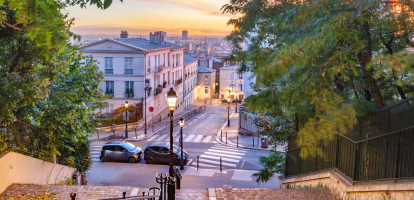
Montmartre is the most iconic area. Sitting on one of the highest points in the city, it’s known for its winding streets, artistic past, and amazing views over Paris. The vibe feels village-like, with small shops, cafés, and bars tucked into quiet corners. While it does attract tourists, many parts still feel local, especially once you step away from the main sights.
The rest of the 18th feels more raw and constantly evolving. Areas like Barbès and Château Rouge are highly international, with a strong African influence that shapes daily life through shops, markets, and restaurants. The streets here are busy, colorful, and full of energy. It’s not polished or pretty in a classic way, but it feels real and deeply lived in.
If you’re into fashion or design, Barbès is also known for its many affordable fabric and textile shops. Marché Barbès is another local staple, offering fresh, inexpensive produce and everyday essentials that residents rely on.
Overall, the 18th is intense, expressive, and full of personality. It’s not for everyone, but for the right person, it offers creativity, diversity, and a strong sense of place.
Who it suits
The 18th district suits people who value character, diversity, and creativity over polish. It’s popular with artists, creatives, students, and people looking for a more international, up-and-coming environment. It works well if you’re comfortable with busy streets and like neighborhoods that feel alive and culturally rich.
Commute
The 18th arrondissement is served by metro lines 2, 4, 12, and 13, with good connections to central Paris and the Right Bank. While some areas are hilly, especially around Montmartre, public transport makes commuting across the city fairly straightforward.
19th & 20th Arrondissements – Buttes-Chaumont / Belleville / Ménilmontant
Lifestyle
Life in the 19th and 20th arrondissements feels very local and lived-in. These are neighborhoods where people actually live, not just pass through. They’re still considered up-and-coming, with a mix of long-time residents, families, creatives, and young professionals, and the atmosphere is more relaxed and less polished than central Paris.
Some areas are especially social and trendy. Belleville and Ménilmontant are full of bars and casual restaurants, and evenings tend to be lively.
One of the biggest highlights is green space. Parc des Buttes-Chaumont is one of the most beautiful parks in Paris, with hills, bridges, and amazing views over the city. In the 19th district, the canal area—especially along the Canal de l’Ourcq—is a favorite for walks, bike rides, or sitting by the water.
The 19th and 20th are also relatively affordable by Paris standards. There’s a significant amount of social housing, which adds to the mixed and residential feel of the neighborhoods.
At the same time, if you’re dreaming of something rare in Paris—like a small house—you might actually find it here. Areas such as La Campagne à Paris or La Mouzaïa feel almost like little villages, with quiet streets and houses that don’t feel very “Parisian” at all.
Overall, these districts aren’t about prestige. They’re about space, community, and everyday life, and they’re still changing in interesting ways.
Who it suits
The 19th and 20th are a good fit for people who want a more authentic, affordable side of Paris. They are a great option for creatives, young professionals, families, and anyone who values green space, diversity, and neighborhood life. If you’re comfortable with areas that feel real, busy, and sometimes a bit rough around the edges, these districts can be very rewarding.
Commute
Getting around in the 19th and 20th districts is generally easy, even if you’re a bit farther from the center. Several metro lines serve the area (including 2, 3, 5, 7, 9, 11, and 13), so connections across Paris are solid. Commutes can be slightly longer depending on where you’re headed, but public transport coverage is good and reliable.
Final Advice for Expats in Paris
In Paris, the street matters more than the arrondissement. Two blocks can completely change noise, safety, and commute time.
Editor: Siyi CHEN
Photo by Gabrielle Maurer on Unsplash.