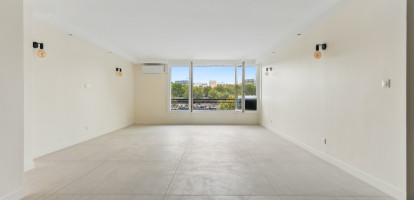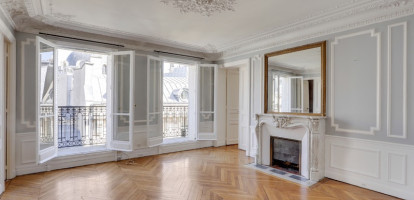
Moving to Paris : the steps you must follow
Moving to Paris is an exciting adventure, but settling into a new city and a new country requires careful preparation. From finding the right apartment to setting up your energy contracts, each step should be anticipated to make your arrival as smooth as possible.
Here are the essential steps to follow when moving to Paris and beginning your new life in the French capital.
Step 1: Find Your Ideal Apartment in Paris
Perhaps you have always dreamed of living in Paris, strolling through historic neighbourhoods and enjoying the lifestyle of the French capital. The first step is to find an apartment that matches your needs, budget and preferred location.
Working with a real estate agency specializing in expatriate rentals can make the search considerably easier. A professional can help you understand the Paris rental market, identify suitable neighbourhoods and arrange visits to properties that meet your criteria.
Prepare Your Rental Application
The Paris rental market can be competitive, so it is important to prepare a complete application before beginning your search.
Your rental file may include:
- a valid passport or identity document;
- proof of employment or a work contract;
- recent payslips or proof of income;
- your most recent tax documents, where applicable;
- details of a guarantor or rental guarantee;
- supporting documents provided by your employer or relocation company.
Having these documents ready will allow you to submit your application quickly when you find the right apartment.
Step 2: Sign the Lease and Prepare Your Move-in
Once your application has been accepted, carefully review the lease before signing it. Check the monthly rent, service charges, security deposit, duration of the tenancy and conditions for terminating the contract.
Before receiving the keys, you will generally need to:
- sign the rental agreement;
- pay the security deposit and initial rent;
- take out home insurance;
- complete the check-in inventory with the landlord or agency.
The inventory should accurately describe the condition of the apartment, its furniture and its equipment. Take time to inspect every room and make sure that any existing damage is recorded.
Step 3: Set Up Your Electricity Contract
After moving into your apartment, you will need to activate or transfer the electricity contract into your name.
France has several electricity suppliers, each offering different prices and contract conditions. Using an online electricity comparison service can help you evaluate the available offers and select one that suits your consumption habits and budget.
When comparing suppliers, consider:
- the subscription fee;
- the price per kilowatt-hour;
- whether the tariff is fixed or variable;
- the contract duration and cancellation terms;
- the availability of renewable electricity options;
- the quality of customer service.
Consumer reviews and discussion forums may also provide useful information about customer service and billing practices.
Information Needed to Open an Electricity Contract
You may be asked to provide:
- the complete address of the apartment;
- the name of the previous occupant, when known;
- the electricity meter number;
- a current meter reading;
- your bank details for automatic payments.
Step 4: Choose a Gas Supplier
If your apartment uses gas for heating, hot water or cooking, you will also need to open a gas contract.
The French energy market includes several gas suppliers. Engie, formerly known as GDF, is one of the best-known providers, but it is not the only option available.
An online gas comparison service can help you compare:
- subscription charges;
- the price per kilowatt-hour;
- fixed-price and indexed-price contracts;
- green gas offers;
- customer-service options;
- contract and cancellation conditions.
Review the complete terms of each offer rather than choosing a supplier solely on the advertised price.
Step 5: Arrange Internet and Mobile Services
A reliable internet connection is essential for work, communication and everyday life. Before choosing a provider, check which technologies are available at your address, such as fibre-optic broadband, cable or ADSL.
When comparing internet packages, consider:
- the available connection speed;
- installation and activation fees;
- the minimum contract period;
- equipment rental costs;
- television and telephone services included in the package;
- the cost of cancelling or returning the equipment.
Installation can sometimes take several days or weeks, so it is advisable to contact a provider before or immediately after moving in.
Step 6: Take Out Home Insurance
Tenants in France are generally required to take out home insurance covering rental risks. The insurance certificate is usually requested before the keys are handed over.
Depending on the policy, home insurance may cover:
- fire and smoke damage;
- water damage;
- civil liability;
- theft and vandalism;
- damage to personal belongings;
- broken glass.
Read the exclusions and coverage limits carefully, particularly if you own valuable furniture, electronics, jewellery or professional equipment.
Step 7: Complete Your Administrative Formalities
Moving to another country involves several administrative procedures. Depending on your nationality and personal circumstances, you may need to complete formalities concerning residency, taxation, healthcare and employment.
Your checklist may include:
- registering your new address with the relevant authorities;
- opening a French bank account;
- registering with the French healthcare system;
- updating your employer, bank and insurance providers;
- setting up mail forwarding;
- checking your visa or residence-permit obligations;
- understanding your French tax responsibilities.
Keeping digital and paper copies of your important documents will make these procedures easier.
Step 8: Discover Your New Neighbourhood
Once the essential contracts and administrative procedures are complete, take time to explore your neighbourhood.
Locate the services you are likely to use regularly, including:
- supermarkets and local markets;
- pharmacies and medical centres;
- Métro, bus and train stations;
- banks and post offices;
- gyms, parks and sports facilities;
- restaurants, cafés and cultural venues.
Understanding your surroundings will help you feel at home more quickly and make everyday life more convenient.
Final Step: Enjoy the Parisian Lifestyle
Once you have unpacked your belongings and completed the formalities, it is time to enjoy your new life in Paris.
Organize a house-warming party, invite your new colleagues and neighbours, and begin exploring everything the city has to offer.
From renowned restaurants and neighbourhood cafés to museums, exhibitions, concerts and festivals, Paris offers countless opportunities to discover something new.
Event platforms and local cultural websites can help you find upcoming activities, exhibitions and social events throughout the city.
Moving to Paris Checklist
- Prepare a complete rental application.
- Find an apartment that suits your lifestyle and budget.
- Review and sign the lease.
- Take out home insurance.
- Complete the check-in inventory.
- Open electricity and gas contracts where required.
- Arrange internet and mobile services.
- Complete the necessary administrative procedures.
- Explore your neighbourhood and local services.
- Start enjoying your new life in Paris.
With the right preparation and professional support, moving to Paris can become a smooth and memorable experience.
Photo by Anthony DELANOIX on Unsplash.
Editor: Siyi CHEN