How to rent your apartment?
As the owner of a furnished or unfurnished apartment, you may wish to rent out your property while protecting its value and avoiding the administrative difficulties associated with tenancy management.
With so many rental management companies available online, choosing the right professional can be challenging. A specialist property manager can represent you, coordinate the rental process, protect your real estate investment and handle day-to-day issues throughout the tenancy.
This guide presents the principal steps involved in renting out an apartment in Paris, from estimating the rent and preparing the property to selecting a tenant, arranging insurance and declaring rental income.
Estimate the Rental Value of Your Apartment
Before advertising your property, you should determine a realistic rental value that reflects both the characteristics of the apartment and the regulations applicable in Paris.
The following criteria should be taken into account:
- the geographical location and arrondissement;
- the habitable surface and, where applicable, the Carrez Law surface area;
- the number of rooms and the layout;
- the furniture and equipment supplied in a furnished rental;
- the floor on which the apartment is located;
- the presence or absence of an elevator;
- the apartment’s orientation and natural light;
- the quality of the view;
- the level of noise and whether the apartment overlooks a courtyard or the street;
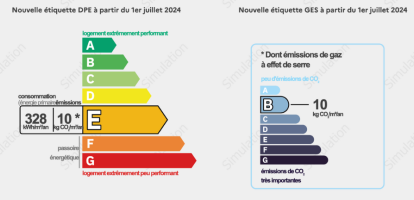
- the general condition and energy performance of the property.
You can compare your apartment with similar properties advertised in the same arrondissement and surrounding neighbourhoods. However, advertised rents do not necessarily represent the final rent agreed with a tenant.
Landlords should also check the reference rent and rent-control rules applicable in Paris before setting the monthly rent.
Make Sure the Property Meets Decency Requirements
A landlord must provide the tenant with a decent dwelling. The accommodation must not endanger the tenant’s health or physical safety and must be suitable for residential use.
In particular, the property must:
- provide adequate protection against weather conditions and water infiltration;
- be free from infestations of pests and parasites;
- comply with the applicable minimum energy-performance requirements;
- contain safe electrical, gas, heating and sanitary installations;
- include the equipment required for normal residential use;
- contain at least one principal room with a minimum habitable surface of 9 m² and a ceiling height of at least 2.20 metres, or a habitable volume of at least 20 m³.
Because housing and energy-efficiency rules change regularly, owners should verify that their apartment complies with the requirements in force on the date the lease is signed.
Arrange the Mandatory Property Diagnostics
Before renting out an apartment, the owner must arrange the legally required property diagnostics and provide the applicable reports to the tenant.
Depending on the property, its location and its construction date, the diagnostic file may include:
- the Energy Performance Certificate;
- the lead exposure risk report;
- the condition of the electrical installation;
- the condition of the gas installation;
- the statement of risks and pollution;
- information concerning noise exposure near airports;
- an asbestos report or other documents required for the building.
These inspections should be performed by certified professionals. Owners should confirm which reports are mandatory and ensure that each document remains valid when the lease is signed.
Prepare an Attractive Property Description
The owner often knows the apartment better than anyone else. You may have lived in it, renovated it or selected its decoration and equipment yourself.
Use this knowledge to prepare a detailed and appealing description rather than relying only on a list of technical characteristics.
Your description can mention:
- the apartment’s strongest features;
- its natural light and orientation;
- the quality of the view or the tranquillity of the courtyard;
- the layout and available storage;
- the condition of the kitchen and bathroom;
- public transport connections;
- nearby markets, restaurants, schools, gyms, cinemas and parks;
- any services particularly useful to expatriate tenants.
Specific and accurate information helps distinguish your apartment from competing listings and attracts tenants whose needs correspond to the property.
How to Organize and Optimize Apartment Viewings
A successful viewing should allow prospective tenants to appreciate the property under the best possible conditions.
Air the Apartment
Open the windows before each appointment. A property that smells damp or has remained closed for a long period can immediately create a negative impression.
Clean Every Room Thoroughly
The apartment must be clean and well maintained. Pay particular attention to visible dust, limescale, mould, the inside of the refrigerator, the oven, sanitary facilities, windows and floors.
Choose the Best Time of Day
Arrange visits when the apartment receives the most natural light. If the property is dark at certain times, switch on all the lights before the tenant arrives.
Present the Apartment Clearly
Explain how the equipment works and highlight the neighbourhood’s advantages without concealing any important information. An accurate presentation helps establish trust from the beginning.
How to Choose the Right Tenant
The tenant’s application file provides important information about income, employment, guarantees and the proposed duration of the tenancy.
However, when possible, it is also useful to meet the prospective tenant. A personal introduction can improve communication and make the tenancy feel less anonymous for both parties.
The landlord or rental manager should assess:
- the applicant’s identity;
- professional status and income;
- the consistency and authenticity of the documents supplied;
- the proposed guarantor or guarantee provider;
- the suitability of the apartment for the applicant’s household;
- the anticipated move-in date and intended duration of occupancy.
Only documents legally authorized under French rental law may be requested. Tenant-selection criteria must also comply with the rules prohibiting discrimination.
Protect Yourself Against Unpaid Rent
Before accepting an application, the landlord should carefully examine the guarantees offered against unpaid rent.
Depending on the tenant’s situation, protection may take the form of:
- a personal guarantor;
- a corporate guarantee;
- a guarantee provided by a specialist company;
- an eligible public rental guarantee;
- unpaid-rent insurance taken out by the landlord.
The combination of unpaid-rent insurance and a personal guarantor is restricted in many situations. Owners should check the applicable rules before requesting both forms of protection.
Home Insurance for the Tenant
A tenant must generally take out multi-risk home insurance covering rental risks before moving into the apartment.
This insurance can cover damage caused by events such as water leaks, fire or negligence. For example, if a tenant leaves a tap running and causes water damage to the apartment below, insurance may cover the resulting claim according to the terms of the policy.
The landlord should request a valid insurance certificate when the keys are handed over and, where legally permitted, during the tenancy.
Non-Occupying Owner Insurance
Non-Occupying Owner insurance, commonly known in France as PNO insurance, protects an owner who does not personally occupy the property.
The tenant’s insurance does not necessarily cover all damage affecting the building, the landlord’s installations or the furniture supplied with a furnished rental.
Depending on the policy selected, PNO insurance may cover:
- water damage;
- fire and smoke damage;
- damage resulting from certain construction defects;
- damage caused by insufficient maintenance of the building structure;
- storms and natural disasters;
- broken glass;
- electrical damage and power surges;
- vandalism;
- the owner’s civil liability;
- certain risks occurring while the property is vacant.
The price depends on the property’s size, location, value and the guarantees selected. Insurance premiums may, subject to the applicable tax regime, be deductible from rental income.
The Check-in Inventory
The inventory of fixtures is an essential document attached to the lease. For a furnished rental, it should be accompanied by a detailed inventory of the furniture, appliances, household equipment and, where applicable, linens.
At the beginning of the tenancy, the condition of the apartment and its equipment should be recorded precisely. The document should be prepared in writing and made available to both landlord and tenant.
The inventory may be established:
- amicably by the landlord and tenant;
- by representatives acting on their behalf, such as a rental agency;
- by a judicial officer when an amicable inventory cannot be arranged.
The document should include photographs whenever possible and should record meter readings, keys supplied, defects, marks, stains and the condition of furniture and appliances.
The Check-out Inventory and the Return of Keys
When the tenant leaves, a second inventory is completed. The check-in and check-out documents are then compared to identify any changes that occurred during the tenancy.
Once the check-out inventory has been completed, the tenant must return all sets of keys, badges, remote controls and access devices in their possession.
Any deduction from the security deposit should be supported by appropriate evidence, such as photographs, invoices, estimates or other documents permitted by law.
Tenant Damage, Wear and Tear or Landlord Responsibility?
The comparison between the two inventories helps determine whether repairs are the tenant’s responsibility or result from normal wear and tear.
Damage Attributable to the Tenant
The tenant is responsible for routine maintenance and rental repairs during the lease. Damage caused by misuse, negligence or insufficient maintenance may therefore be charged to the tenant.
Examples may include:
- unrepaired holes or major stains on walls;
- a burned carpet;
- a parquet floor damaged through misuse;
- broken furniture or appliances supplied with a furnished rental;
- damage resulting from a lack of routine cleaning or maintenance.
Normal Wear and Tear
Wear and tear results from the normal and prolonged use of the accommodation. It remains the landlord’s responsibility.
Examples include:
- paint that has faded over time;
- floor coverings worn through ordinary use;
- equipment that has aged despite normal maintenance.
A wear-and-tear schedule attached to the lease can help the parties distinguish normal ageing from tenant damage.
Damage Caused by Force Majeure
Damage caused by an unforeseeable and unavoidable event may remain the landlord’s responsibility, even when the affected item would ordinarily fall within the category of rental repairs.
This may apply, for example, to damage caused by a severe storm or another qualifying event of force majeure.
How Is Rental Income Taxed?
The taxation of rental income depends primarily on whether the accommodation is rented unfurnished or furnished.
Before choosing a rental structure or tax regime, owners should compare the expected income, deductible expenses, accounting obligations and long-term consequences of each option.
French rental taxation changes regularly. The thresholds and rules applicable to a particular year should therefore be confirmed with the tax administration, an accountant or a qualified tax adviser.
Taxation of an Unfurnished Rental
Income from an unfurnished rental is generally taxed in the category of property income.
Depending on the applicable regime, deductible expenses may include:
- certain repair and maintenance works;
- property-management fees;
- eligible insurance premiums;
- loan interest;
- certain taxes and condominium charges;
- other expenses permitted by tax law.
When deductible expenses exceed the rent received, a property deficit may arise. The conditions governing its deduction and carry-forward depend on current tax law.
Taxation of a Furnished Rental
Furnished rental income is generally taxed as Industrial and Commercial Profits, known in France as BIC.
Subject to the tax regime selected, furnished landlords may be able to deduct eligible expenses and depreciate the property, furniture and certain works.
Acquisition-related expenses, such as agency fees, notarial costs and registration expenses, may be treated differently depending on the accounting and tax method applied.
Professional Furnished Rental Status
A furnished landlord may qualify as a Professional Furnished Rental Operator, or LMP, when the statutory conditions concerning rental receipts and household professional income are satisfied.
This status may affect:
- the treatment of rental deficits;
- social contributions;
- capital-gains taxation;
- the treatment of the property for wealth-tax purposes;
- the accounting and registration obligations of the landlord.
Because the consequences can be significant, professional advice is recommended before relying on LMP status.
Non-Professional Furnished Rental Status
The Non-Professional Furnished Rental status, known as LMNP, applies to many individual furnished landlords.
Depending on the level and nature of the rental income, the landlord may be eligible for:
- a simplified micro-BIC tax regime with a standard allowance;
- the real BIC regime, under which eligible expenses and depreciation may be deducted.
The real regime generally requires formal accounting records and may involve additional professional fees and taxes. Its suitability depends on the owner’s income, expenses, financing and investment strategy.
Capital Gains When Selling a Furnished Rental
The capital-gains regime applicable when the property is sold depends on whether the activity is treated as professional or non-professional and on the rules in force at the time of sale.
For a non-professional furnished rental, the private real estate capital-gains regime may apply. This system generally provides holding-period allowances and separate exemption schedules for income tax and social contributions.
For professional furnished rentals, different professional capital-gains rules may apply. Previous depreciation and the landlord’s specific circumstances can materially affect the final tax calculation.
Surcharge on High Real Estate Capital Gains
Certain taxable real estate capital gains exceeding the statutory threshold may be subject to an additional surcharge.
The applicable rate is progressive and depends on the amount of the taxable net gain. When a property is owned by several people, the threshold may be assessed according to each owner’s share, subject to the legal rules applicable to the ownership structure.
The notary normally calculates the capital gain and any applicable surcharge when the deed of sale is signed.
What Is the French Real Estate Wealth Tax?
The French Real Estate Wealth Tax, known as IFI, is an annual tax applying to qualifying real estate assets owned by individuals whose taxable net property wealth exceeds the legal threshold.
Married couples and partners in a French civil partnership are generally assessed jointly.
The principal residence is included in the taxable estate but may benefit from a statutory reduction in its taxable value when the applicable conditions are met.
Rental property, debt deductions, professional-property exemptions and furnished-rental status may all affect the calculation. Owners with substantial property assets should seek advice tailored to their circumstances.
Final Checklist Before Renting Out Your Apartment
- Estimate the property’s rental value and verify the applicable reference rent.
- Confirm that the accommodation meets all decency and energy-performance requirements.
- Arrange the mandatory property diagnostics.
- Prepare an accurate and appealing property listing.
- Clean, air and illuminate the apartment before viewings.
- Review tenant applications using only legally permitted documents and criteria.
- Select an appropriate guarantee against unpaid rent.
- Request the tenant’s home-insurance certificate.
- Take out suitable Non-Occupying Owner insurance.
- Prepare a detailed check-in inventory and furniture inventory.
- Keep all lease, payment, insurance and maintenance documents.
- Choose the appropriate tax regime with professional guidance where necessary.
Professional rental management can help owners coordinate these steps, remain informed about regulatory changes and protect their property throughout the tenancy.
Photo on Unsplash.
Editor: Siyi CHEN